
In Arlington MA, a remodel usually starts with two questions, what will this cost, and what materials won't turn into a headache five years from now. That's especially true in older Greater Boston homes, where homeowners want better performance, better air, and a result that still fits the house.
Sustainable building materials aren't just bamboo floors or recycled decor accents. They're products chosen for long-term performance, lower embodied impact, healthy indoor air, and a practical fit with the way homes are built, inspected, and lived in here in Massachusetts. The market has clearly moved beyond novelty, too, and sustainable construction materials continue to get attention from builders and manufacturers across the country.
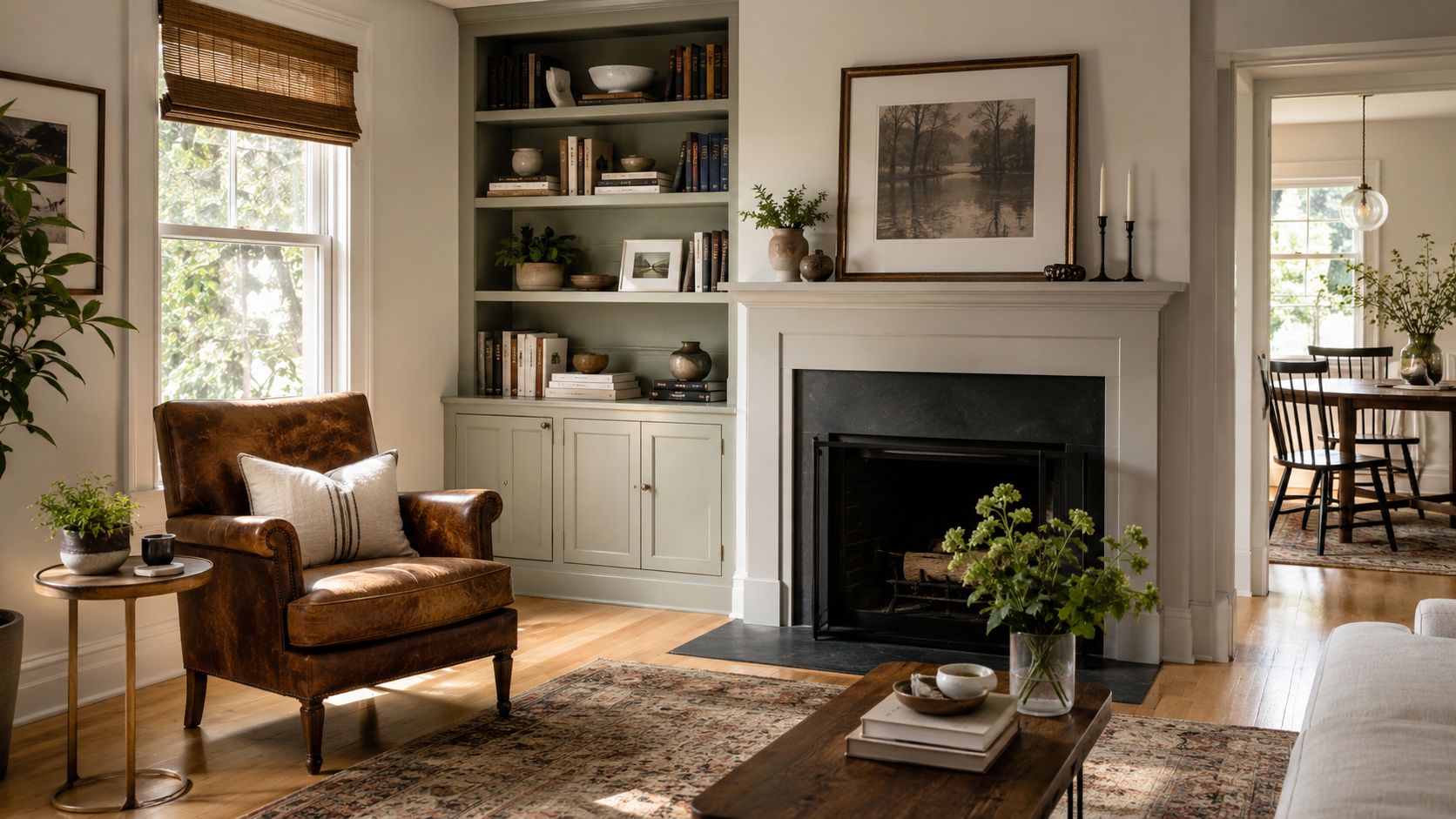
If you're comparing options for a kitchen remodel Greater Boston, a basement finishing Cambridge MA project, or a home addition contractor Boston MA search, the key decision isn't whether a material sounds green. It's whether it holds up, passes code, and makes sense for the room, the climate, and the budget. In Massachusetts, that means thinking about moisture, insulation performance, fire ratings, ventilation, and what an inspector will ultimately sign off on. It also means making trade-offs realistically, because a material that looks good on paper can still be the wrong choice for a wet basement, a tight ADU wall assembly, or a bath that needs low-maintenance finishes.
One useful outside reference on selecting durable, eco-friendly cladding materials can help homeowners understand how durability and lower-impact sourcing can work together on the same project.
Table of Contents
- What Are Sustainable Building Materials Anyway
- Why They Matter for Your Greater Boston Remodel
- A Contractor's Guide to Sustainable Material Categories
- How We Plan and Select Materials for Your Project
- Navigating Permits for Green Building in Massachusetts
- Sustainable Material Checklist for Your Remodel
- Frequently Asked Questions About Sustainable Remodeling
What Are Sustainable Building Materials Anyway
A homeowner in Newton can want a modern remodel without ending up with a house that feels trendy for the wrong reasons. That is where sustainable building materials get misunderstood, because the term is broader than a product label and narrower than a marketing slogan.
At the jobsite level, the term means materials that hold up over time while cutting waste, resource use, or unhealthy emissions. That can mean recycled-content steel, low-carbon concrete, cellulose insulation, reclaimed wood, or finishes that do not fill a new kitchen or bath with unnecessary fumes. It can also mean choosing materials made close enough to the job that you are not paying to haul them across the country for no good reason. For a bigger exterior package, selecting durable, eco-friendly cladding materials matters just as much as picking the right finish inside.
Practical rule: if a material only looks green on a brochure but fails early, needs constant maintenance, or creates code problems, it is not sustainable in real life.
Homeowners often treat sustainability like a style choice. It is really a whole-project decision that affects structure, comfort, ventilation, durability, and resale. The whole-life approach used by GlobalABC sustainable materials hub fits how we look at a remodel in Greater Boston, because the material choice has to work after the dust settles, not just on the spec sheet.
The market has already moved in that direction. Sustainable construction materials are showing up in real procurement, real bids, and real permit sets, including the kind of projects we price for kitchens, baths, additions, basements, and ADUs. If you are also making energy upgrades, a practical guide to energy-efficient home upgrades helps connect material choices to the rest of the envelope work.
Sustainable does not have to mean delicate, expensive, or experimental. In a Massachusetts remodel, the best choice is often the one that lasts, fits the code, and does not force a replacement a few years later.
Why They Matter for Your Greater Boston Remodel
A basement finish in Somerville, a kitchen update in Newton, or an ADU in Jamaica Plain all run into the same question. Which materials will hold up in a tight New England house, keep utility costs in check, and avoid creating a maintenance problem two winters from now? That is where sustainable material choices matter in a real remodel.
Greater Boston homeowners usually feel the benefit of a material choice in three places, utility comfort, indoor air, and maintenance. That makes sustainable materials a practical part of the job, not a style label. The right products help a house perform better through cold weather, shoulder seasons, and the constant swing between heat, moisture, and dry air.
Lower operating stress on the house
The building and construction sector consumes about 50% of all non-renewable resources used globally and drives roughly 11% of global CO2 emissions from the manufacturing process alone (City Changers). Those numbers are global, but the homeowner takeaway is local. What goes into framing, insulation, finishes, and concrete affects how much material your project uses, how much waste leaves the site, and how hard the house has to work after the project is done.
That matters in Greater Boston because many remodels are not simple cosmetic updates. Older homes often need work around uneven framing, limited wall space, and code requirements that affect insulation depth, air sealing, and fire separation. If the assembly is designed well, the space feels steadier and quieter. If it is not, the room can end up drafty, noisy, or expensive to heat and cool.
In additions and ADUs, the material package has to fit the structure and the envelope at the same time. I look at framing, insulation, sheathing, and windows as one system, because the wrong combination can waste square footage or create thermal bridges that show up on the first cold snap. Basements bring a different problem, since below-grade spaces need materials that can handle moisture instead of trapping it.
For homeowners comparing how material choices affect the rest of the envelope work, our energy efficient home upgrades page ties those decisions to the practical side of a remodel.
Better indoor air and fewer bad surprises
Low-VOC paints, sealants, and adhesives help when a family is living through a kitchen remodel or bathroom renovation. They cut down on strong odors, reduce the amount of lingering off-gassing, and make it easier to keep occupied areas usable while the work is underway. That is one of the clearest day-to-day benefits of better material selection.
Contractors feel that difference too. Products that cure predictably and do not bring extra fumes into the house are easier to sequence when trades are overlapping and the schedule is tight. The practical choice is usually the one that keeps the project moving without making the home miserable.
Durability matters just as much. A material that resists moisture, wear, and premature replacement usually beats a product that looks green but needs constant patching or early replacement. That is a real trade-off in basements, baths, and entry areas, where cheaper finishes often fail first.
For crews and owners who want a wider operations view, this practical guide for sustainability managers shows how sustainable choices connect to day-to-day building decisions.
Sustainable materials do not pay off on paper alone. They pay off when the house stays comfortable, the finishes hold up, and the owner does not need to revisit the same problem in a few years.
A Contractor's Guide to Sustainable Material Categories
A material can be the right answer in one part of a house and the wrong answer in another. That is especially true in Greater Boston, where a kitchen refresh, a second-floor addition, and a damp basement all ask for different assemblies, different moisture control, and different cost trade-offs.
Framing and Structure
For structural work, recycled steel and responsibly sourced lumber come up most often. Recycled steel gives you strength and consistency, which helps when the plan calls for slim members or long spans. The trade-off is in the details, because it still needs thermal break detailing, corrosion protection, and fire-rating planning that is handled correctly from the start.
It is a strong fit for additions and remodels where the layout benefits from open space. It also makes sense when the structure has to carry a lot without taking up more room than necessary. The technical upside is real, since recycling routes can cut embodied energy by about 60 to 75% and carbon footprint by 50 to 65% compared with conventional production (ScienceDirect).
Responsibly sourced lumber still belongs in the conversation when the design is straightforward and the wood is doing more than carrying load. Crews usually work faster with it, and many owners prefer the warmer look of visible wood in finished spaces. Source quality matters, though, because not every product with a green label is sourced or processed the same way.
Insulation
Insulation usually gives homeowners one of the best comfort returns for the least disruption. Cellulose, cork, and sheep wool are all worth considering, depending on the assembly and the moisture conditions in the room.
Cellulose is especially practical for dense-pack wall cavities and retrofit work. Cork and wool can offer good thermal and acoustic performance, but they are better choices when the assembly and budget support them. In a tight remodel, the goal is not novelty. The goal is a material that fills the cavity properly, stays in place, and does not create moisture problems.
Finishes and Surfaces
Finishes are one place where sustainability and appearance can work together well. Low-VOC paints, recycled glass tile, and reclaimed wood are common options, especially in bathroom renovation Arlington MA or kitchen remodeling medford scopes.
Recycled glass tile can work well as an accent in a shower niche or backsplash, but it should not be forced onto every surface just because it sounds green. Reclaimed wood brings character, though it may need extra sorting, milling, or stabilization. If you want a closer look at sourcing and appearance, our reclaimed wood page fits that conversation well.
Flooring
Flooring has to handle daily abuse, not just look good on a sample board. Reclaimed wood, cork, and marmoleum can all work in the right setting, but the best choice depends on moisture, traffic, and whether the room will see winter salt and wet shoes.
A basement rec room and a front-entry mud zone do not need the same material. The wrong floor can look fine on day one and then fail from cupping, staining, or edge wear. A better sustainable floor reduces replacement cycles instead of needing constant care.
Basement and Moisture Resistant Options
Basements are where sustainable thinking has to stay practical. Low-carbon concrete, mineral wool, and moisture-tolerant wall assemblies belong here more often than decorative products do.
Low-carbon concrete matters in slabs and foundations because cement drives most of concrete's emissions, while aggregate makes up 70 to 80% of concrete by mass (Sustainable Build). Replacing a portion of cement with fly ash can reduce energy use by about 25 to 40% and carbon footprint by 15 to 30% (ScienceDirect). That helps on basement floors, additions, and foundation-related work where durability matters just as much as carbon reduction.
Mineral wool is popular because it handles moisture better than many soft insulations and performs well around below-grade details. In a damp basement, the goal is not only efficiency. It is making sure the assembly stays dry enough to last.
How We Plan and Select Materials for Your Project
A good material choice starts with the project problem, not the product shelf. For a Cambridge MA basement finishing job, the priorities are usually moisture control, durability, and code-compliant assembly details. For an ADU builder Massachusetts project, the priorities may shift toward energy performance, acoustic separation, and lower maintenance.
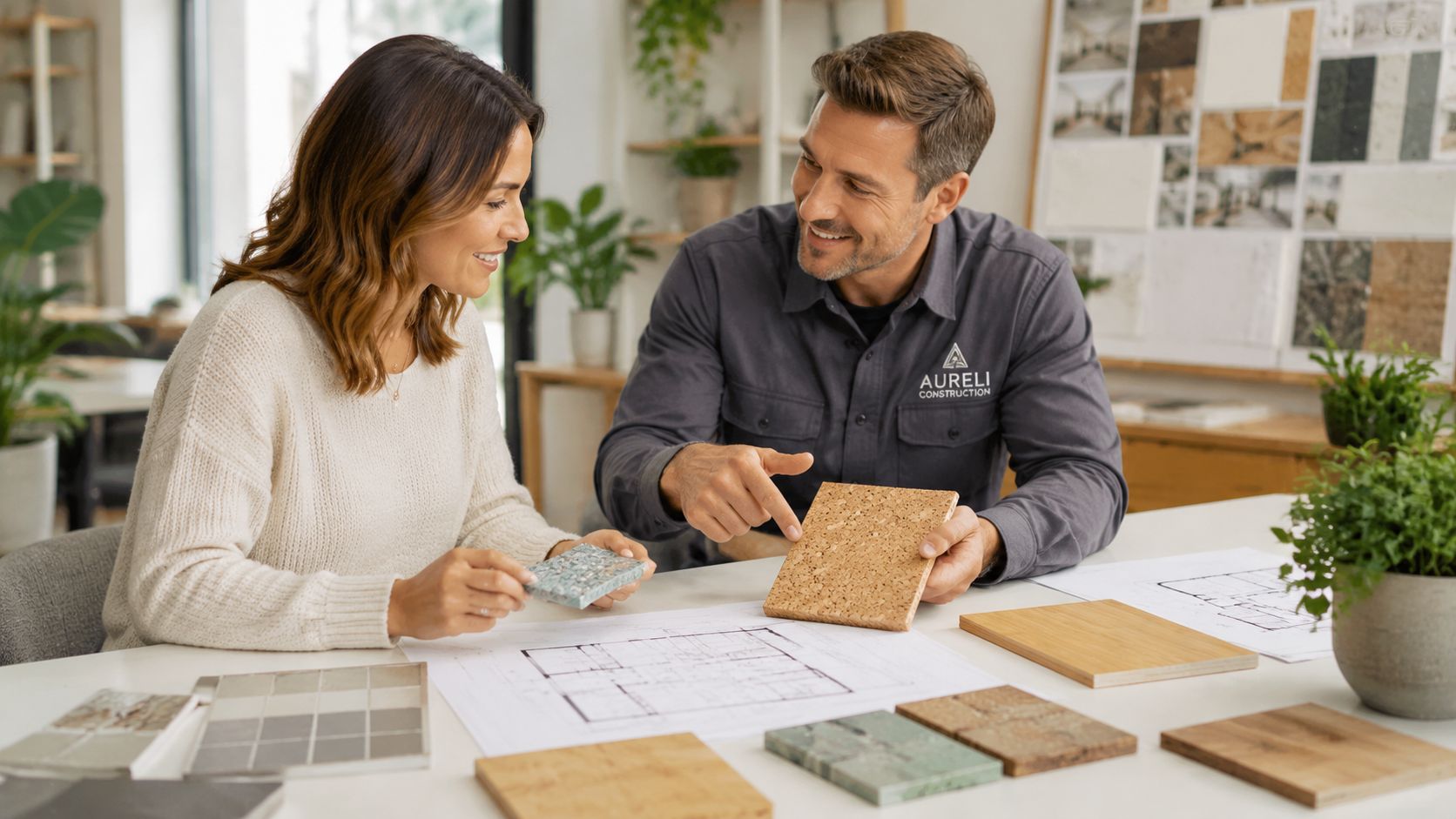
A kitchen in Somerville does not call for the same material plan as a basement in Brookline or an addition in Newton. The right choice depends on how the space is used, where moisture can get in, and how much wear the surface will take once the project is done. I look at those conditions first because a material that fails early is expensive in any zip code, and it is a poor use of the embodied carbon that went into it.
The first pass is always performance. We ask where the room is located, how the house moves moisture, and what the owner expects to live with every day. A beautiful finish that fails in a damp corner is not a sustainable choice, no matter how it is labeled.
After that, we look at the full life cycle. That means upfront cost, transportation, installation complexity, maintenance, and what happens at the end of the material's life. GlobalABC points to whole-life assessment, and a significant barrier is often education and economics, not the availability of products. If a material costs less up front but needs replacement sooner, the cheaper choice can become the more expensive one over time.
We also verify claims. That usually means checking supplier documentation, looking for Environmental Product Declarations where available, and comparing products against the actual scope of work instead of a vague “eco-friendly” label. If a material saves carbon but creates a scheduling problem, a code issue, or a maintenance headache, it is probably not the right pick. For homeowners who want to understand how permits affect those decisions, our Massachusetts permitting process guide is a useful place to start.
An experienced contractor does not just hand over samples. We help a homeowner narrow the field to materials that fit the house, the budget, and the inspection path.
Here is the other part that matters. Sustainable materials should support the design, not complicate it. If a kitchen cabinet finish or basement wall product looks good in a showroom but makes installation slower, more fragile, or less code-friendly, it can erase the benefit fast.
Navigating Permits for Green Building in Massachusetts
A green material doesn't get you out of the permit process. In Massachusetts, if a project alters a home's footprint, changes load-bearing structures, or adds a room, it generally requires a building permit under 780 CMR, the Massachusetts State Building Code (U.S. DOE sustainable guide, chapter 6). That applies whether you're building a new addition in Belmont or reworking a kitchen wall in Newton.
That matters because material selection has to fit the code path. Structural framing, insulation, fire protection, ventilation, and egress all have to be resolved before final approval. Sustainable materials can absolutely be part of the solution, but they don't replace code compliance.
Practical rule: if the work changes structure, envelope, or utility systems, assume permits and inspections are part of the job, not a separate problem to solve later.
For homeowners in towns like Arlington, Belmont, and Newton, local building departments still control the inspection sequence. That usually means rough framing, electrical, plumbing, and final inspections before closeout. A contractor who understands the local process can help keep the project moving without rework.
The other part of the permit conversation is energy performance. Some sustainable upgrades, especially insulation and high-performance windows, may align with utility incentive programs, but the project still has to be detailed correctly first. A rebate doesn't fix a bad assembly.
If you want to see how the paperwork side works, our permitting process in Massachusetts page breaks down the path homeowners usually face. The point is simple, the greener the material choice, the more important it is to make sure it's installed in a way the inspector will sign off on.
Sustainable Material Checklist for Your Remodel
A good checklist beats a vague promise of “green.” In Greater Boston remodels, the right materials depend on the room, the moisture load, how long the work has to last, and how much disruption the homeowner can live with during construction.
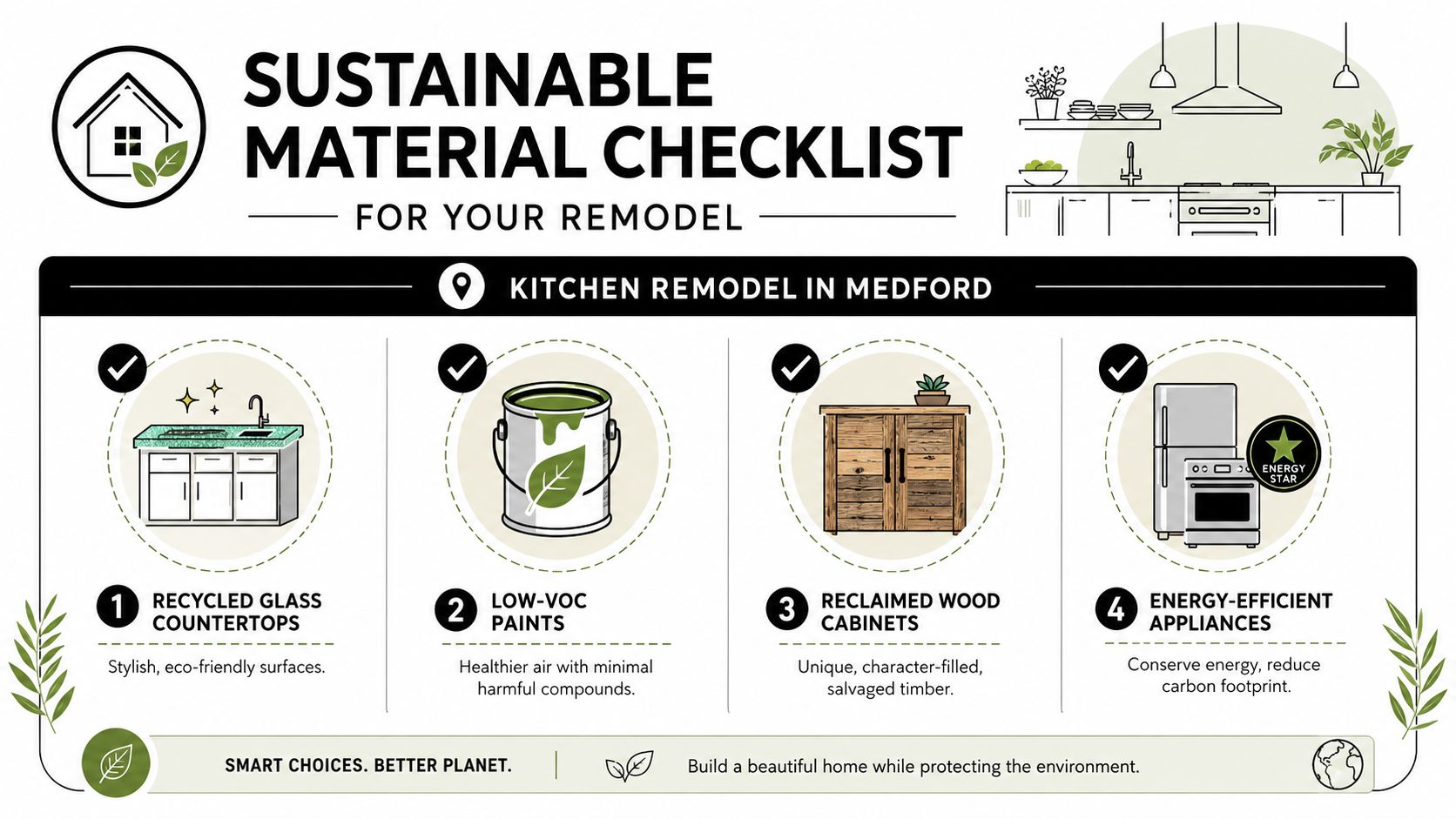
Kitchen Remodel in Medford
- Recycled glass countertops: A solid choice for a tough surface with lower waste and some visual character.
- Low-VOC paints and sealants: Useful for better indoor air while cabinets, trim, and patch repairs cure.
- Reclaimed wood cabinets or accents: A good fit when the goal is warmth, depth, and a less manufactured look.
- Energy-efficient appliances: Worth considering when the kitchen is being fully gutted and the existing units are already near replacement.
In kitchen remodeling medford projects, clients often ask for a kitchen remodeling contractor medford who can keep the design goals realistic and the installation clean. That usually means selecting products that fit the schedule, go in without unnecessary field adjustments, and do not create problems when the household is still living in the home.
For custom kitchen medford plans, the better sustainable upgrades are often the ones you do not see right away. A cabinet box that is built well, a floor that can take daily use, and a finish that does not leave the room smelling for days often matter more than a high-cost surface.
Bathroom Remodeling in Wellesley
For bathroom remodeling wellesley or a bathroom renovation Arlington MA scope, moisture resistance and ventilation usually set the direction first.
- Recycled glass tile: Works well for accent areas, backsplashes, and shower details.
- Low-VOC paint: Helps a small room avoid lingering harsh odors.
- Mold-resistant underlayments and wall materials: Important in wet rooms where assemblies can stay damp if they are built poorly.
- Water-saving fixtures: A practical choice when the full trim package is getting replaced.
If you're comparing bathroom remodeling contractor Wellesley options, look past the tile display and ask how the walls, fan, and waterproofing layers are being handled. That is where the long-term value usually sits, especially in a room that sees constant moisture and daily use.
Basement Finishing
- Mineral wool insulation: A strong option where below-grade moisture is part of the job.
- Moisture-resistant wall assemblies: Help reduce mold risk and later tear-out.
- Low-carbon concrete for slab-related work: Useful anywhere new concrete is part of the scope.
- Durable flooring with realistic moisture tolerance: Helps avoid premature replacement.
For basement finishing Cambridge MA projects, the wrong material choice can turn into a dehumidification problem later. Basements are one place where sustainability and durability need to point in the same direction, because a cheap material that fails early is not a good environmental choice.
ADU Construction
- High-performance insulation: Helps a small footprint perform more like a better-built home.
- Durable siding: Reduces maintenance cycles and future repair work.
- Energy-efficient windows: Important for comfort and for meeting code-driven performance targets.
- Low-maintenance interior finishes: A better fit for rental use or multigenerational living.
If you're working with an ADU builder Massachusetts team, these choices should be settled early. ADUs leave less room for mistakes, so the wall assembly, air sealing, and finish selection matter just as much as the fixture package.
Frequently Asked Questions About Sustainable Remodeling
Are sustainable building materials always more expensive?
Not always. Some do cost more upfront, but others are competitively priced once you compare durability, maintenance, and replacement cycles. In a lot of Massachusetts remodels, the more expensive mistake is buying twice.
Do these materials hold up to New England weather?
Yes, if they're chosen for the right job. The durable options, like good exterior cladding, moisture-tolerant insulation, and properly detailed concrete or steel, are selected specifically because they can handle cold, wet, and freeze-thaw conditions when installed correctly.
Do sustainable materials need special maintenance?
Sometimes. Reclaimed wood may need more sorting or finishing care, while other products, like recycled-content or mineral-based assemblies, can be very low-maintenance. The key is matching the material to how the room will be used.
Can I use sustainable materials in a remodel while living in the house?
Yes, but product selection and sequencing matter. Low-odor finishes, cleaner installation methods, and well-planned dust control make occupied-home projects much more manageable.
How do change orders get handled if I switch materials mid-project?
They need to be documented before the substitution goes in. The safest approach is to confirm availability, lead times, and any code implications before the order is placed, because last-minute swaps can change both cost and inspection timing.
Ready to compare sustainable options for your remodel, addition, basement, or ADU in Greater Boston? Contact Aureli Construction for a free estimate, and we'll help you choose materials that fit the house, the budget, and the Massachusetts permit process.