What if your current foundation is already strong enough to double your living space without expanding your home’s footprint? Many homeowners in Greater Boston feel the pressure of rising property values and limited yard space. You want more room for your family, but the technical challenges of building up often create more questions than answers. Calculating a realistic two story addition cost for 2026 requires looking beyond simple square footage to the structural integrity of your specific lot. Whether you’re navigating the permit desk in Cambridge or managing the tight setbacks of Somerville, the complexity of these projects demands a high level of professional literacy.
We believe that a successful project begins with a foundation of trust and clear data. This guide provides a detailed budget framework based on current Massachusetts building codes and regional material costs. You’ll discover how to assess your existing structure for new weight loads and learn the essential steps of our turnkey design-build process. We’ve designed this roadmap to help you move from initial uncertainty to a state of complete confidence in your home’s future value.
Key Takeaways
- Understand how shifting 2026 market dynamics in Greater Boston impact your project’s budget and overall construction timeline.
- Identify the critical structural variables, such as foundation reinforcement and staircase placement, that dictate your total two story addition cost.
- Navigate the specific zoning hurdles and permit protocols required for successful, compliant builds in Middlesex and Suffolk Counties.
- Learn how a turnkey design-build approach identifies structural red flags early to protect your financial investment and ensure long-term stability.
- Discover the technical requirements for New England-grade materials that provide superior insulation and structural integrity in the Massachusetts climate.
The Financial Reality of Two-Story Additions in Greater Boston (2026)
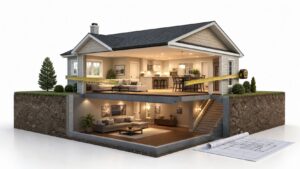
Homeowners in Somerville face a common dilemma: they love their neighborhood but have outgrown their floor plan. A two-story addition offers a definitive solution. This project involves either building “up” by adding a full second level to a single-story home or building “out” with a stacked two-floor footprint extension. By 2026, the two story addition cost in the Massachusetts market reflects several years of evolving building standards. Specifically, the 2023 updates to the state’s Stretch Energy Code now require superior insulation and high-efficiency HVAC systems in all new residential expansions.
The financial landscape for a home improvement of this scale is different than it was even three years ago. Labor shortages and material price stabilization at higher baselines mean that historical averages are no longer reliable. In high-end Boston suburbs, these expansions are strategic investments. We focus on a turnkey approach that ensures your project meets these modern standards without compromising on the architectural integrity of your original home. Whether you’re in a crowded Somerville street or a wider lot in the suburbs, the goal remains the same: adding significant value and functional living space.
Building Up: Adding a Second Level to a Ranch or Cape
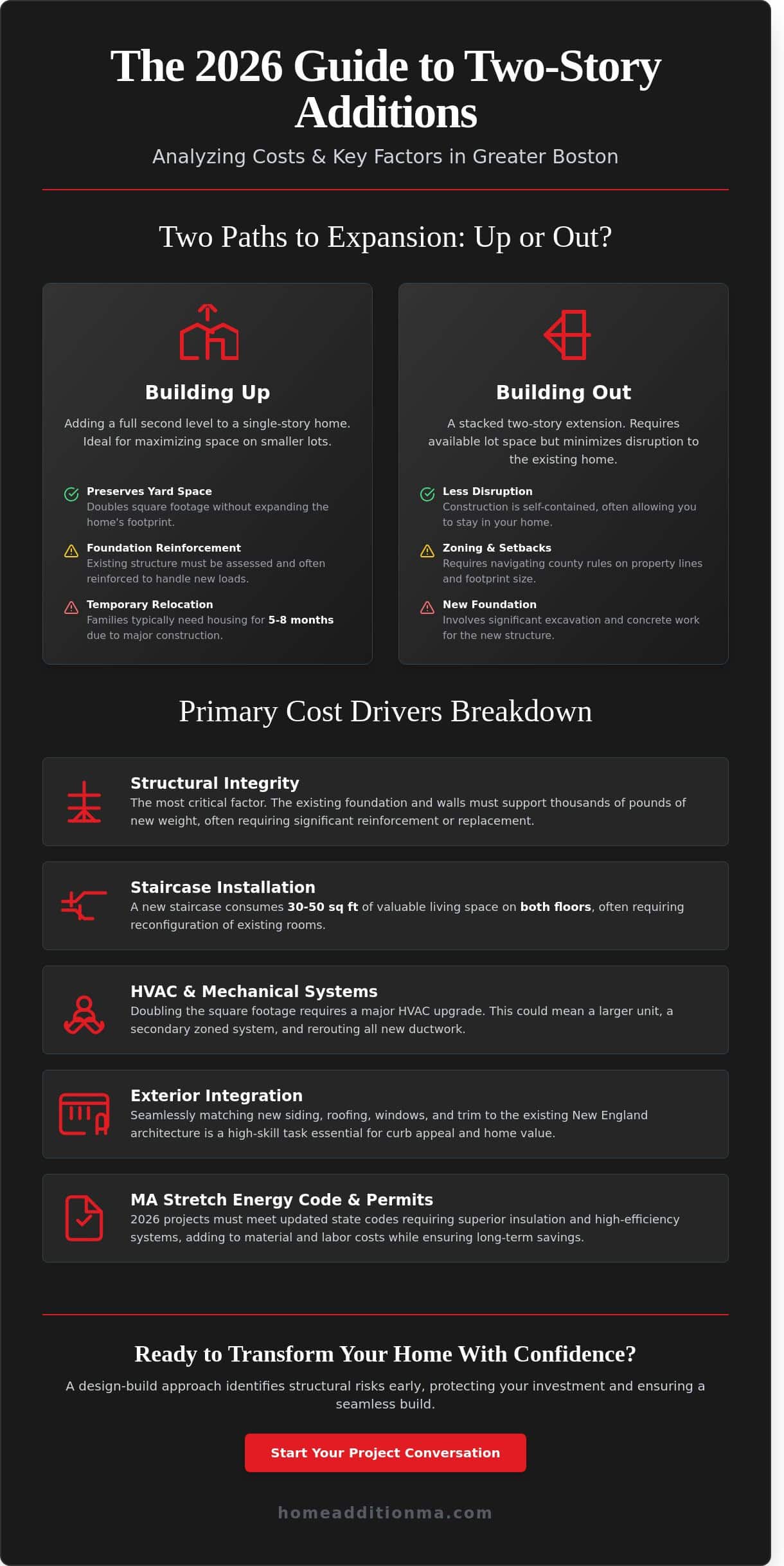
Lifting the roof is a popular choice in space-constrained towns like Arlington. It allows you to double your square footage without sacrificing a single inch of your backyard. However, this method requires a complete replacement of the existing roof structure. You must also consider the structural integrity of your current foundation. If the original footings weren’t designed for a second story, they’ll need reinforcement. Most families plan for temporary housing for 5 to 8 months. This ensures your daily life isn’t disrupted by the heavy construction required to open the top of your home.
Building Out: The Two-Story Stacked Addition
If your lot allows for it, building out with a stacked addition is often the most efficient way to manage your two story addition cost. This method involves pouring a new foundation and building two levels of new space simultaneously. It’s a clean break from the original structure that minimizes disruption to your existing living areas. In Newton, you must be mindful of how this footprint expansion affects your property tax assessments; larger footprints often lead to higher valuations. You also have to navigate Middlesex County zoning setbacks. These rules dictate exactly how many feet must remain between your new walls and the property line. We handle these logistical hurdles to ensure your expansion is fully compliant and built to last.
Every home addition is a major commitment. We believe in providing the technical expertise and local knowledge necessary to make your vision a reality. If you’re ready to explore how a two-story expansion can transform your property, let’s start a conversation about your goals.
Primary Cost Drivers for a Second-Story Expansion
Understanding the two story addition cost requires looking beneath the surface of the new rooms. While building upward preserves your backyard in dense Somerville neighborhoods, it places immense pressure on your home’s existing skeleton. You aren’t just paying for new walls; you’re paying for the structural integrity required to keep those walls standing for decades. Most homeowners find that the logistics of connecting two levels represent the most significant portion of their investment.
Staircase installation is a primary example of a hidden cost. A standard staircase consumes between 30 and 50 square feet of living space on both the first and second floors. This “space tax” often requires reconfiguring existing rooms to maintain a natural flow. Additionally, your HVAC and mechanical systems must evolve. A furnace designed for a 1,200-square-foot ranch won’t efficiently heat a 2,400-square-foot colonial. Upgrading to a zoned system or installing a secondary unit in the new attic space ensures year-round comfort but adds to the initial budget.
Exterior integration also demands a high level of craftsmanship. To maintain the character of Massachusetts neighborhoods, we focus on matching New England siding and trim styles perfectly. Using historical color palettes and specific wood or composite grains ensures the addition looks like an original part of the home rather than an afterthought. Adhering to the Massachusetts State Building Code during this process guarantees that these aesthetic choices also meet rigorous safety and weatherproofing standards.
Foundation Reinforcement and Structural Integrity
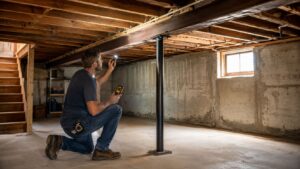
The existing foundation is the most critical variable in any vertical expansion project. We begin by testing soil density and concrete strength to confirm the ground can support the added weight. If the original footings are insufficient, we employ underpinning techniques or install steel lally columns in the basement to transfer the load. Under the 2026 MA building code, structural load-bearing capacity refers to the maximum weight-bearing limit a foundation and frame can safely support without compromising the physical stability of the entire dwelling. These reinforcements prevent settling and cracking as the new structure cures.
Interior Finishes and Room Complexity
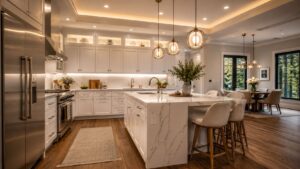
The specific layout of your new floor significantly impacts the final two story addition cost. A simple layout with three bedrooms and a shared bath is more budget-friendly than a primary suite featuring a custom walk-in shower and double vanities. Plumbing stacks and electrical runs must be carefully mapped to minimize disruption to the floor below. Often, these projects trigger a need for Kitchen Remodeling in Greater Boston, as the new structural supports or plumbing lines may pass through your existing cooking space. If you want to see how these elements fit into your specific floor plan, speak with our project planners to begin a detailed feasibility study.
Estimated Cost Per Square Foot in Massachusetts (2026)
Planning a vertical expansion requires a clear understanding of the current financial landscape. In 2026, the two story addition cost in the Greater Boston area reflects a combination of specialized labor and high-performance materials. Licensed electricians and master plumbers in Somerville and Cambridge now command rates between $110 and $165 per hour, driven by high demand for residential modernization. Investing in New England-grade triple-pane windows and closed-cell spray foam insulation adds to the upfront expense. These choices are essential for meeting strict Massachusetts energy codes and ensuring long-term thermal efficiency in our volatile climate.
Our design-build approach streamlines this process by integrating architectural planning with construction management. This model typically reduces the total per-square-foot cost by 7% to 11% compared to traditional methods where architects and contractors work in silos. For homeowners in Somerville, we recommend a 15% contingency fund. Older structural frames often reveal hidden electrical or framing issues once demolition begins. Having this buffer ensures the project stays on track without compromising the structural integrity of your home.
Budget, Mid-Range, and Luxury Cost Tiers
A standard addition with mid-grade finishes usually ranges from $250 to $350 per square foot. This includes durable flooring, standard lighting fixtures, and functional layouts. When projects move into the luxury category, particularly in towns like Lexington or Belmont, costs frequently exceed $500 per square foot. These high-end builds often feature custom cabinetry, integrated smart home technology, and premium masonry. Homeowners should evaluate the return on investment for home additions to determine which tier aligns with their long-term financial goals and neighborhood property values. We focus on providing a seamless transition between the old and new sections of your home to maximize this value.
Regional Pricing Variations: Newton vs. Medford vs. Somerville
Location significantly influences your final budget. In Newton, permit fees and rigorous building inspections can add several thousand dollars to the soft costs of a project. In Somerville and Medford, the challenge is often logistical. Dense neighborhoods mean tight site access, which requires specialized equipment or manual labor to move materials. This often increases labor hours by 10% compared to more spacious lots in the outer suburbs. If your home is in a historic district like those found in Winchester, expect higher material costs. Preservation commissions often require specific wood siding or custom window profiles that match the original 19th-century architecture. We help you navigate these local nuances to ensure your two story addition cost remains predictable and transparent from the first day of planning.
Navigating Permits and Zoning in Middlesex and Suffolk Counties
Securing a building permit in Massachusetts is a structured process that ensures your project meets safety and community standards. It begins with a zoning review. This initial check determines if your property can legally support a larger footprint. Local officials examine setbacks, which are the required distances from your property lines, and height restrictions that vary by neighborhood. In dense areas like Somerville, these limits are strict. If your design pushes these boundaries, you’ll need to adjust your plans or seek a variance.
Once zoning is cleared, you must provide professional architectural drawings. These plans are the blueprint for your project’s success. They require structural engineering stamps to certify that your existing home can handle the weight of an upper level. This engineering phase is a critical component of the overall two story addition cost. It ensures the foundation and framing are reinforced to prevent structural failure. Without these stamps, building departments in Middlesex County will not issue a permit.
The application process in towns like Arlington and Lexington involves multiple departments. You’ll submit your plans to the building, health, and sometimes historical commissions. Lexington often requires a 30 to 60-day review period for complex additions. During this time, officials verify that your project complies with local ordinances and utility capacities. It’s a period that requires patience and precise documentation.
Inspections occur at pivotal milestones throughout the build. Local building departments look for specific benchmarks, including:
- Foundation and Footings: Ensuring the ground can support the new load.
- Rough-in Framing: Verifying the structural skeleton matches the engineered drawings.
- Energy Compliance: Checking insulation and air sealing to meet state standards.
- Final Walkthrough: A comprehensive check of life-safety systems before occupancy.
Common Zoning Hurdles for Two-Story Additions
In towns like Newton, homeowners must navigate the Floor Area Ratio (FAR). This is a mathematical formula that limits the total square footage of your home based on the size of your lot. If your addition exceeds this ratio, you must petition the Zoning Board of Appeals (ZBA) for a variance. This process involves public hearings where neighbors can voice concerns. Having local knowledge is vital during these meetings. We present your project with technical clarity to demonstrate how the addition adds value to the neighborhood without encroaching on others.
Compliance with the Massachusetts State Building Code
The 2026 energy efficiency requirements, known as the Stretch Code, introduce higher standards for residential construction. These updates focus on reducing carbon footprints through better thermal envelopes and high-efficiency HVAC systems. While these regulations can increase the initial two story addition cost, they result in lower utility bills and a more comfortable living environment. Fire safety is another priority. Second-story bedrooms must include specific egress windows and integrated smoke detection systems to meet the state code. To ensure your project meets every legal requirement, it’s best to work with experienced Second Story Addition Contractors who stay current with these evolving laws.
Ready to see if your property meets local zoning requirements? Contact us today for a professional zoning assessment and start your project with confidence.
Maximizing Your ROI with a Design-Build Partner
Investing in your home is a significant financial commitment. A design-build approach is the most effective way to protect that capital. When you work with a single team from the first sketch to the final coat of paint, you eliminate the communication gaps that typically lead to budget overruns. This integrated model directly influences your two story addition cost by ensuring the design stays within your financial boundaries from day one.
Aureli Construction brings a technical eye to the earliest stages of the project. In Somerville, where many homes were built in the early 1900s, we look for structural red flags like compromised foundations or outdated electrical systems before we finalize your estimate. Identifying these issues early prevents the five-figure surprises that often derail traditional construction projects. We also utilize value engineering to maintain high standards. This means we find high-performance materials and construction methods that deliver the same aesthetic and durability as luxury alternatives but at a more manageable price point.
The long-term property value of a professional addition is substantial. According to regional real estate data from 2024, a high-quality suite or bedroom addition in the Greater Boston area can recoup a significant portion of its cost upon resale. You aren’t just paying for more square footage; you’re investing in a modernized asset that outpaces the initial investment as local property values continue to climb.
The Aureli Design-Build Process
Our process starts with an initial consultation where we align your vision with a realistic 2026 budget. We don’t guess at numbers. We provide data-driven estimates based on current material costs and local labor rates. During the pre-construction phase, we handle the complexities of Somerville’s permit applications and place material orders early to avoid seasonal delays. Once we break ground, our construction management team maintains a rigorous schedule. We prioritize structural integrity and premium craftsmanship, ensuring your home remains a safe and beautiful environment for decades.
Start Your Home Transformation Today
Timing is everything in the Massachusetts construction market. If you’re aiming for a 2026 or 2027 completion, the planning and permitting phase needs to begin now. Securing your spot on our production calendar ensures your project moves forward without unnecessary wait times. We invite you to request a detailed project estimate that accounts for the specific zoning and architectural requirements of your town. This clarity allows you to move forward with confidence and peace of mind.
Ready to expand your living space? Contact Aureli Construction to discuss your two-story addition and take the first step toward your dream home.
Build Your Future in Greater Boston
Investing in your home’s future requires a clear roadmap and a steady hand. As you plan for 2026, remember that a successful project balances technical precision with your family’s long-term needs. Navigating the specific zoning bylaws in Middlesex and Suffolk Counties ensures your expansion stands on a firm legal foundation. When you prioritize structural integrity and high-quality craftsmanship, you aren’t just adding square footage; you’re building lasting equity in a competitive Massachusetts market.
Accurately assessing your two story addition cost involves more than just looking at numbers on a spreadsheet. It’s about finding a partner who manages every detail from the first architectural drawing to the final inspection. Aureli Construction brings over 30 years of local Massachusetts experience to your project. Our team specializes in complex structural engineering and second-story expansions, providing a turnkey design-build service that keeps your experience stress-free. You deserve a home that grows with you without the typical headaches of a major renovation.
Schedule your design-build consultation with Aureli Construction today. We’re ready to help you turn your vision into a structural reality.
Frequently Asked Questions
Is it cheaper to add a second story or build an addition on the ground level?
Building up is generally more cost-effective because it doesn’t require new foundation work or extensive excavation. Ground-level projects often involve 20% higher site preparation costs compared to vertical expansions. However, vertical additions require our team to reinforce your existing first-floor walls to ensure they can handle the increased weight safely.
How much does a 1,000 square foot second-story addition cost in MA?
According to the 2023 Remodeling Cost vs. Value Report, major upscale additions in the New England region often exceed $500 per square foot. Your specific two story addition cost depends on the complexity of the structural tie-ins and your choice of interior finishes. This investment reflects the high labor standards and premium materials required to meet rigorous Massachusetts building codes.
Can my existing foundation support the weight of a second floor?
Most older foundations in Somerville require a professional structural engineer’s assessment to confirm they can support a new level. Approximately 40% of vertical additions in the area need some form of underpinning or footing reinforcement to comply with the 2023 Massachusetts State Building Code. We prioritize your home’s structural integrity by conducting these inspections before any construction begins.
How long does it typically take to complete a two-story addition in the Boston area?
A standard project typically takes 6 to 9 months from the initial design phase to the final walkthrough. The permitting process in Somerville can take 4 to 8 weeks depending on the current zoning board schedule and project complexity. Our turnkey service manages every inspection and subcontractor to keep the construction phase on a predictable, steady track.
Do I need to move out of my house during a second-story addition project?
It’s highly recommended that homeowners relocate for 3 to 5 months during the most intensive phases of construction. Removing your existing roof creates significant exposure to the elements and requires us to temporarily disconnect essential utilities like HVAC and plumbing. Moving out ensures your family’s safety and allows our crew to maintain a focused, efficient workspace.
What are the most expensive parts of a two-story home addition?
Structural framing and specialized HVAC system upgrades represent the largest portions of a typical budget. Integrating a new level requires a completely new roof structure and often a full boiler or furnace replacement to heat the additional square footage. These critical components are essential for maintaining your home’s energy efficiency and long-term durability.
How much value does a second-story addition add to a home in Newton or Lexington?
Data from the National Association of Realtors indicates that homeowners in high-demand markets like Newton or Lexington can recoup 50% to 60% of their investment upon resale. Beyond the financial return, adding 1,200 square feet of living space provides the functional room your family needs without the stress of moving. This strategic investment builds significant equity in competitive Massachusetts neighborhoods.
What is the MA ‘Stretch Code’ and how does it affect my addition cost?
The Massachusetts Stretch Energy Code is a set of stringent standards designed to maximize energy efficiency in local residential buildings. As of 2023, many municipalities require additions to meet specific R-value insulation targets and air-sealing requirements. While these regulations can increase initial material expenses by 5% to 10%, they result in lower monthly utility bills and a more comfortable home.