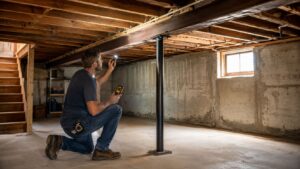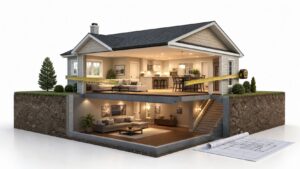
In Cambridge and Somerville, we talk to a lot of homeowners who are in the same spot. They like their block, they don't want to move, but the house no longer fits the way the family lives now. Maybe a parent needs a private place nearby. Maybe a grown child needs a soft landing. Maybe the mortgage would feel a lot lighter with rental income coming in.
That's where a 400 sq ft ADU starts to make sense. It's small enough to fit many tighter Greater Boston lots, but big enough to function as real housing when it's designed properly. The problem is that most advice online stays too generic. It talks about cute floor plans and skips the hard part, which is what it takes to get one approved and built in Massachusetts.
We build these projects with local zoning, utility work, inspections, and real-world budgets in mind. In towns like Arlington, Belmont, Brookline, Lexington, Newton, Reading, Wellesley, and Medford, the difference between a good ADU plan and a bad one usually comes down to details that don't show up on Pinterest.
Table of Contents
- The 400 sq ft ADU A Smart Solution for Greater Boston Homeowners
- Designing a 400 sq ft ADU Layouts and Space Planning
- ADU Costs in Massachusetts What to Budget for 400 sq ft
- Navigating Permits and Zoning for Your ADU in Massachusetts
- The Aureli Construction ADU Build Process What to Expect
- Financing Your ADU and Realizing Its Long-Term Value
- Frequently Asked Questions About Building a 400 sq ft ADU
- Start Planning Your Massachusetts ADU Today
The 400 sq ft ADU A Smart Solution for Greater Boston Homeowners
A homeowner in Somerville or Cambridge calls us with a familiar problem. Their parent wants to stay close, their adult child needs a stable place to land, or they want rental income without giving up the whole house. On many Greater Boston lots, 400 square feet is the size that can solve that problem without overwhelming the site or the budget.
We build these units because they fit how older Boston-area properties work. The lots are often tight. Access is limited. Utility runs are rarely straightforward. A 400 sq ft ADU gives you a real living space with a kitchen, bath, sleeping area, and storage, while keeping the footprint small enough to make zoning, setbacks, and backyard circulation easier to handle.
Why this size fits Greater Boston lots
In our experience, 400 square feet is often the point where a detached ADU still feels livable but does not start fighting the property. Once the building gets larger, site constraints show up fast. You lose open yard, setbacks become harder to satisfy, and utility trenching can start to affect more of the lot than homeowners expect.
That does not mean a small unit is automatically simple.
A compact ADU still has the same core systems as a larger one. You still need a legal foundation, insulation that meets code, plumbing, electrical, heating and cooling, drainage planning, and a permit path the town will accept. The difference is that a 400 sq ft plan can be more realistic on infill properties where every foot matters.
Where a 400 sq ft ADU makes sense
This size works well when the use case is clear. We see the best outcomes when homeowners know exactly who will live there and how the space will be used. In-law housing, an adult child returning home, a downsized living setup for aging in place, or a small rental unit can all pencil out at this size.
The trouble starts when the wish list gets too long. A full guest suite, oversized kitchen, dedicated office, laundry room, and large living area usually do not belong in the same 400 square feet. Good small-unit planning is about priorities, not squeezing in every idea from a Pinterest board.
That is why we spend a lot of time on preconstruction.
Before anyone picks finishes, we look at access for excavation, where water and sewer will run, whether the electrical service needs an upgrade, and how the new building affects drainage on the lot. Those are the items that shape the actual project cost in Greater Boston. They are also the items national ADU articles tend to skip.
Heating and cooling choices matter here too, especially in a small building where wall space is limited and comfort problems show up quickly. Many homeowners end up considering ductless systems, and Covenant Aire Solutions' best mini splits gives a useful overview of the equipment categories people usually compare.
If you are still weighing whether a detached unit, addition, or conversion is the better fit, our guide to ADU options and benefits for Massachusetts homeowners is a good starting point.
Designing a 400 sq ft ADU Layouts and Space Planning
A homeowner walks us into the backyard and points to the spot where the old garage sits. The question is usually simple: can a legal, comfortable home fit here? In many Greater Boston yards, 400 square feet is enough, but only if the plan is disciplined from day one.
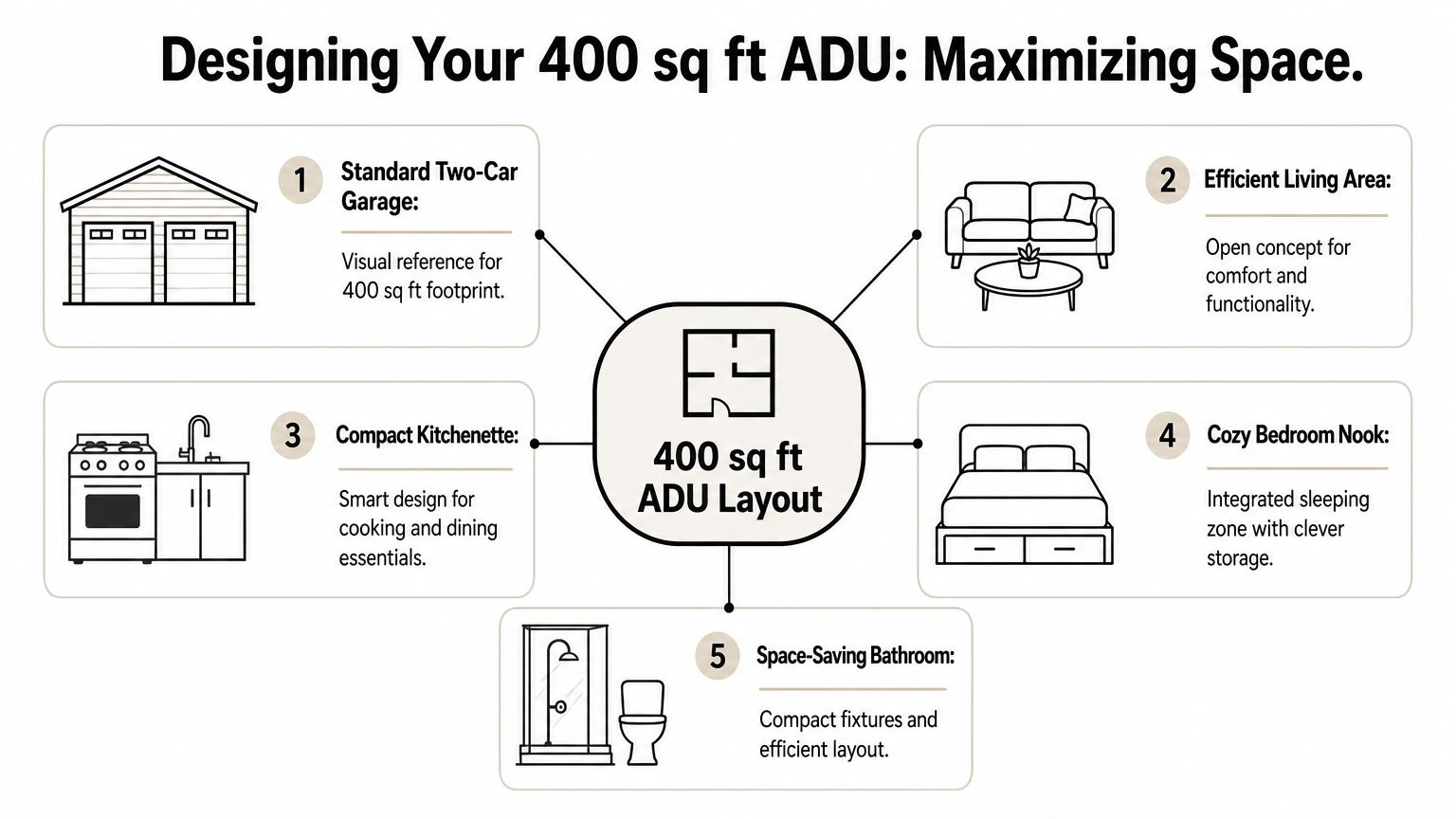
What 400 square feet feels like in practice
In the field, 400 square feet usually lands somewhere between a compact studio and a tight one-bedroom. The footprint is small enough that every wall has a job. Kitchen placement affects the bath. Bath placement affects storage. Window placement affects where the bed, sofa, and table can go without the room feeling crowded.
We usually start with circulation. If the path from the entry to the kitchen, bath, and sleeping area is awkward on paper, it will feel worse once cabinets, doors, and furniture are installed. Small ADUs work best when movement is clear and the plan avoids leftover corners that do nothing but eat floor area.
A rectangular layout often gives us more useful separation than a nearly square one. It becomes easier to create distinct zones for cooking, sleeping, and sitting without building full partitions that make the unit feel smaller.
A few choices make a noticeable difference:
- Built-in storage over loose furniture. Wardrobe walls, tall pantry cabinets, and storage under benches keep the floor more open.
- A real kitchen work zone. Even in a small ADU, we try to preserve usable counter space instead of filling every inch with appliances.
- A bathroom that is compact, not cramped. Good fixture spacing matters more than squeezing in extra features.
- Window placement that opens the room up. Natural light and longer sightlines help a small unit feel calmer and easier to live in.
Studio vs one-bedroom
This decision shapes the whole project.
A studio can work well for in-law use, guest overflow, or a backyard unit where the site is too tight to support a clean bedroom layout. A one-bedroom usually makes more sense if privacy is a priority or if the ADU may become a longer-term rental. We advise homeowners to settle that question early because it affects framing, egress windows, electrical layout, and furniture planning.
In Boston-area projects, we also watch wall space for mechanicals. A small detached unit does not give you many places to mount equipment, run lines, or hide bulkheads. Heating and cooling choices can change the layout more than homeowners expect. If you are comparing systems, Covenant Aire Solutions' best mini splits is a useful breakdown of the ductless options that often fit compact ADUs well.
Prefab is another question that comes up early. Some homeowners ask whether a factory-built unit solves the space-planning problem. Sometimes it helps. Sometimes it creates new constraints around delivery access, foundation coordination, and utility hookups. Our breakdown of prefab ADU cost in Massachusetts is a good reference if you are weighing prefab against a site-built 400 sq ft unit.
The main point is simple. A good 400 sq ft ADU does not feel good because it has trendy finishes. It feels good because the layout respects daily routines, storage needs, and the limits of a small footprint. That is where careful planning pays off most.
ADU Costs in Massachusetts What to Budget for 400 sq ft
A lot of Greater Boston homeowners start with the wrong number. They price a 400 sq ft ADU by square foot, then get blindsided by the parts of the job that have little to do with size. On a Boston-area lot, the surprise costs are often trenching, drainage corrections, utility coordination, and the work required to get equipment and crews into a tight backyard.
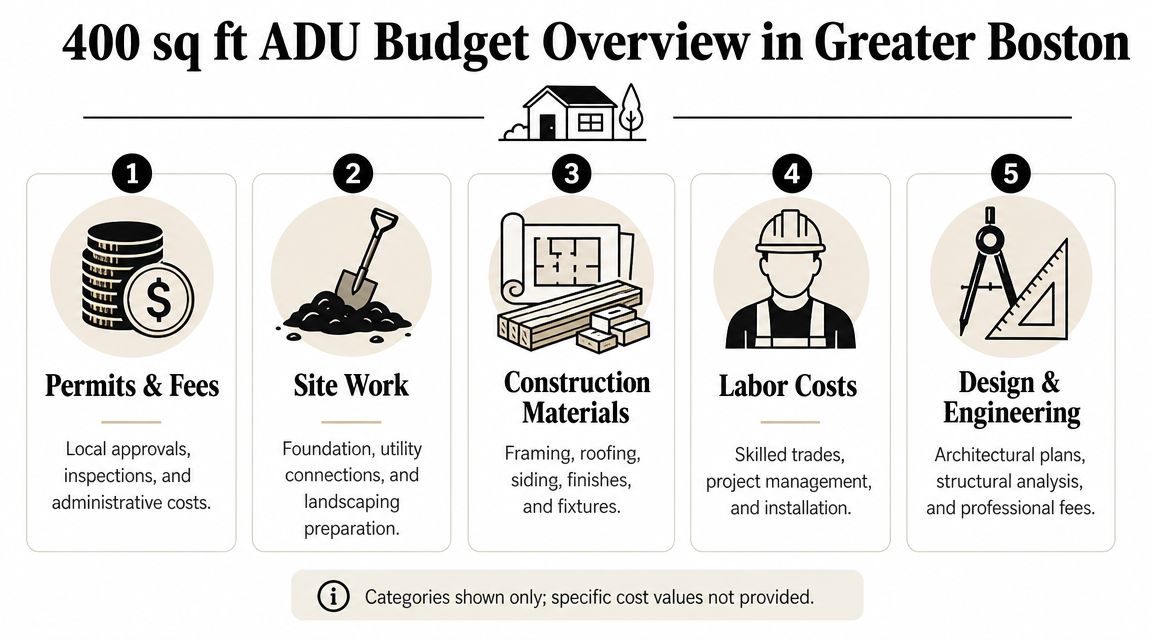
For that reason, we urge clients to budget the full project, not just the structure. Massachusetts cost guidance for ADUs points to a broad all-in range for a 400 sq ft unit, with utility hookup costs adding a meaningful amount depending on the site and the distance to existing services (Massachusetts ADU cost statistics). That range lines up with what we see locally once the project includes real-world site conditions instead of a clean, flat lot on paper.
In Greater Boston, fixed costs hit small ADUs hard. A legal dwelling still needs a kitchen, bathroom, foundation, insulation package, mechanical system, permits, and inspections. Cutting the footprint to 400 square feet does not cut those line items in half.
We usually break the budget into three working buckets:
| Budget area | What it usually covers | Why it can swing |
|---|---|---|
| Hard costs | Framing, insulation, roofing, siding, windows, interior finishes, kitchen, bath | Finish level, structural requirements, backyard access |
| Site work | Excavation, foundation, grading, drainage, trenching, utility tie-ins | Distance to utilities, ledge, water management, equipment access |
| Soft costs | Design, engineering, permits, application work, consultant coordination | Town review process, revisions, and lot complexity |
Site work is where estimates often spread out. A detached ADU tucked behind an existing house may need long utility runs, panel upgrades, sewer coordination, or drainage work to satisfy local review. If the lot is narrow or steep, labor goes up because moving materials and equipment gets slower and more complicated.
Soft costs deserve more attention than they usually get. Survey work, engineering, zoning review, plan revisions, and permit coordination can add up fast before the first footing is poured. We prefer to show those numbers early so homeowners can compare options clearly.
Budget reality: The expensive part of a 400 sq ft ADU is often everything around the unit, not the box itself.
That is also why prefab pricing can be misleading. Factory construction may reduce some on-site labor, but it does not remove foundation work, crane or delivery planning, utility hookups, or local permit costs. If you are comparing approaches, our guide to prefab ADU costs in Massachusetts gives a more useful side-by-side view than a base model price.
Before locking a budget, we also like to verify the lot against zoning constraints that can trigger redesigns and added consultant time. A quick screening tool like the BatchData property zoning tool can help identify issues early, but we still confirm everything against the town's actual zoning bylaw and permit requirements.
Navigating Permits and Zoning for Your ADU in Massachusetts
In Massachusetts, a 400 sq ft ADU still has to clear two separate gates. First, it has to comply with the MA State Building Code under 780 CMR and all required trade permits. Second, it has to fit the local zoning rules in the town or city where you live.
That local piece is where many projects stall. Brookline doesn't review these the same way Belmont does. Cambridge, Newton, Arlington, and Wellesley each have their own zoning language, process, and review culture. The smaller footprint helps, but it doesn't override setback rules, lot coverage limits, or other site controls.
State code and local zoning are two different filters
One useful way to think about ADU approvals is this:
- Building code asks: can this structure be built safely as habitable space?
- Zoning asks: can this structure go here on this lot?
- Inspections ask: was it built according to the approved plans and permit requirements?
A California ADU code reference makes a broader point that still applies conceptually here. Small ADUs often sit well below maximum size limits, so the primary bottlenecks are often setbacks, lot coverage, and FAR, not the target square footage itself (San Diego ADU bulletin).
What the permit path usually involves
Our process usually starts with zoning review before anyone gets attached to a plan. We look at setbacks, access, placement, utility routing, and whether the proposed unit triggers any local board review. Then we coordinate the design package needed for submission.
For homeowners who like to do early homework on their own parcel, a tool like the BatchData property zoning tool can help you organize preliminary property information before the formal local review starts.
After zoning comes the permit side. A typical ADU project may involve:
- Building permit: For the structure and all code compliance review.
- Electrical and plumbing permits: Required for new systems and utility work.
- Rough inspections: Framing, electrical, plumbing, and other trade inspections before finishes close walls.
- Final inspections: Required before closeout and lawful occupancy.
We handle that coordination regularly across Greater Boston, and if you want a closer look at how local approvals are sequenced, our overview of the permitting process in Massachusetts lays out the moving parts.
The Aureli Construction ADU Build Process What to Expect
The cleanest ADU jobs usually start the same way. A homeowner in Lexington or Melrose calls with a rough idea, often based on a family need, and the first site visit turns that into a real feasibility conversation. We're looking at access to the backyard, slope, drainage, utility routes, neighboring structures, and the basic zoning envelope before we talk about finishes.
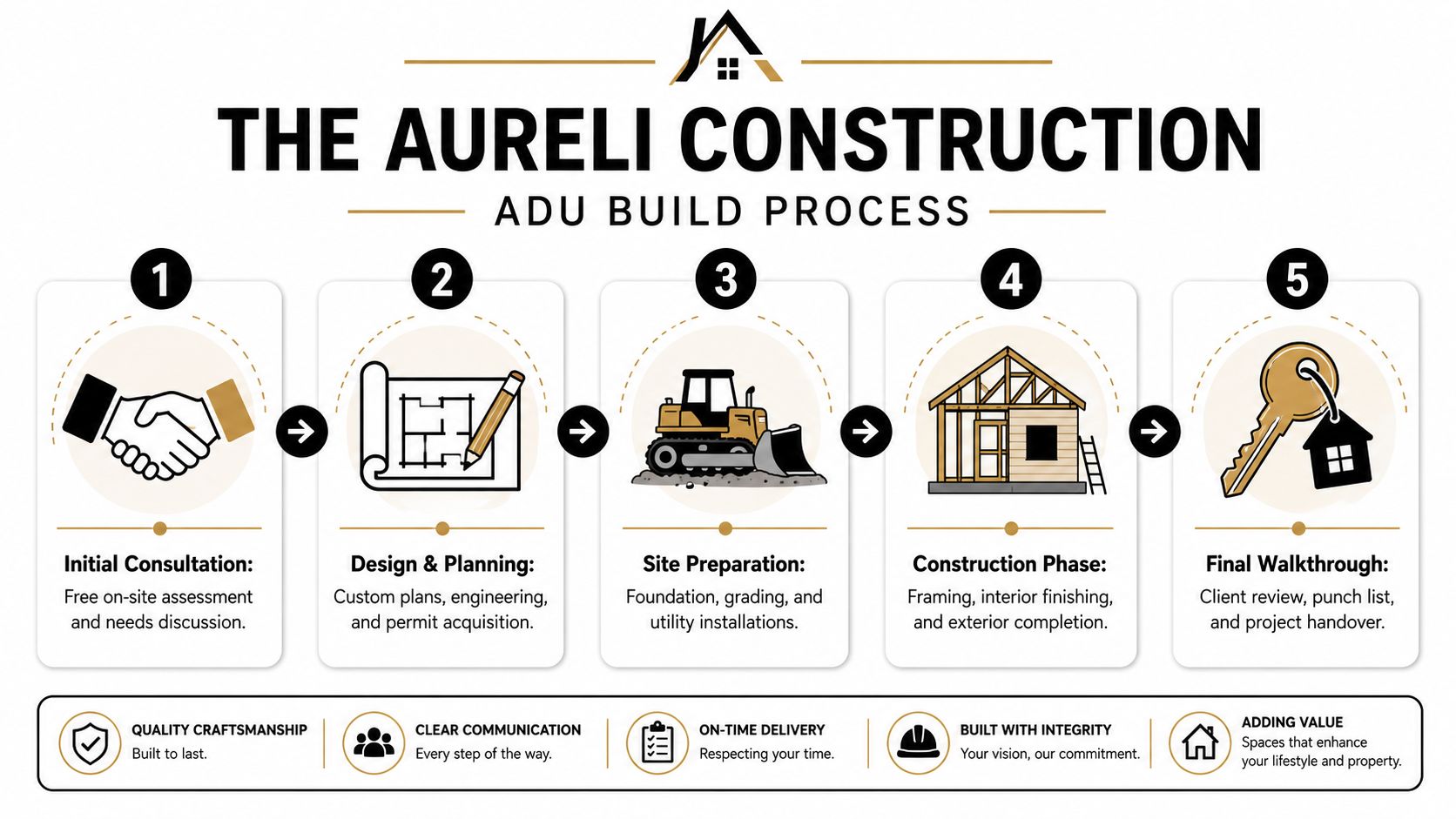
From first site visit to approved plan
The early phase is where good projects get protected from expensive mistakes later. We measure the site, discuss the intended use of the unit, and sort out whether a studio or one-bedroom is the better fit. From there, the design work needs to do two things at once. It has to be buildable, and it has to be approvable.
In practical terms, that means:
- Feasibility review: Lot constraints, probable siting, and utility strategy.
- Design development: Floor plan, window placement, exterior form, and interior selections.
- Permit package: Drawings and documents prepared for local review.
- Submission and revisions: Comments from the town get answered before work begins.
A smooth build usually comes from boring decisions made early. Clear utility routing, realistic finish selections, and a permit set that matches the site save more headaches than any fancy upgrade.
What happens once construction starts
Once permits are in hand, the site work sets the pace. Layout, excavation, foundation, trenching, and underground utilities happen before the structure rises. On a tight Greater Boston lot, access can be one of the biggest practical challenges. If materials have to move through a narrow side yard or around existing landscaping, sequencing matters.
After that, the project gets more familiar. Framing, roofing, windows, insulation, rough mechanicals, inspections, then finishes. In a small unit, coordination matters because multiple trades are working in a compact footprint. One scheduling miss can slow the next three steps.
We keep homeowners focused on three things during construction:
- Decisions that affect lead time: Windows, cabinets, fixtures, and finish materials.
- Inspection milestones: Rough and final approvals drive progress.
- Punch-list discipline: Small units still need a careful final walkthrough so every detail is finished correctly.
That process isn't glamorous, but it's what gets a detached unit from idea to occupancy without chaos.
Financing Your ADU and Realizing Its Long-Term Value
A lot of financing problems start with a simple mistake. Homeowners price the building and forget the rest. In Greater Boston, the loan conversation needs to cover the full project, including utility connections, site work, design fees, permits, and the contingency you will want once excavation starts.

How homeowners usually fund a small detached unit
The financing paths we hear about most are home equity lines, cash-out refinancing, and construction loans. The right fit depends on your current rate, how much equity you have, your monthly payment tolerance, and whether the ADU is meant for family housing, rental income, or both.
If you're looking at equity-based options, this overview of unlocking home value with remortgaging gives a plain-English summary of how owners use equity, even though the loan products themselves differ from U.S. lending.
From our side, lenders respond better to a defined scope than a rough idea. They want a budget that includes real site costs, a sensible allowance structure, and drawings that match the site's conditions. If the plan set is thin or the budget leaves out trenching, drainage, or service upgrades, financing gets harder fast because the total cost no longer looks reliable.
That matters even more on Boston-area properties where lot access, utility distance, and municipal requirements can shift the budget before framing begins.
Why long-term value is bigger than monthly rent
Some ADUs pencil out as rental property. Some never need to. A 400 sq ft unit can also keep a parent close by, give an adult child independent space, or let a homeowner stay in the neighborhood instead of selling and moving.
That broader value is how we tell clients to judge the project.
A small detached unit usually earns its keep in more than one way. It can add flexibility to the property, create future housing options, and improve how the lot functions over time. If local rules allow renting, income may be part of the equation. If not, the value may be avoiding a move, reducing family housing pressure, or creating private space that the main house does not have.
Here's a short video that gives homeowners another angle on ADU financing and planning decisions:
The practical advice is simple. Run the numbers using the all-in project cost, not the headline construction price. Then compare that cost to the benefit your household is likely to get over time. In this market, the strongest ADU decisions usually come from honest budgeting and a clear reason for building one in the first place.
Frequently Asked Questions About Building a 400 sq ft ADU
Homeowners usually ask better questions after the first meeting than before it. That's normal. Once they understand that an ADU is a real code-compliant dwelling and not just a backyard room, the conversation gets much more practical.
How long does a 400 sq ft ADU take to build
The honest answer is that the timeline depends on both permitting and site conditions. Construction itself is only part of the overall schedule. In Massachusetts, zoning review, design coordination, permit approval, and utility planning can take as much attention as the framing and finish work.
What we tell clients is to think in phases, not just “build time.” The smoothest projects are the ones where decisions are made early and the permit set is complete before materials are ordered.
Can I build one for a parent or adult child
Often, yes, but the legal path depends on local zoning and the specifics of the lot. A 400 sq ft ADU is a practical size for an aging parent, one adult child, or a single occupant because it can function as a compact independent living space without turning into an oversized second home.
The design needs to match the user. A parent may need a simpler bath layout, wider clearances, and less threshold change. A young adult may care more about privacy, storage, and a defined sleeping area.
The best family ADUs aren't designed around resale photos. They're designed around who needs to use the space every day.
What surprises homeowners on budget
Soft costs and utility work. That's the short answer.
One 400 sq ft ADU planning resource notes that soft costs alone can run from $9,000 to $30,000, including design, permits, and fees, which is why break-even thinking has to include more than construction scope (Renofi 400 sq ft soft costs and break-even discussion).
The other surprise is how quickly site conditions change pricing. A long trench run, a difficult sewer tie-in, poor backyard access, or drainage work can move the budget more than interior finish upgrades.
Will I need separate permits for plumbing and electrical
Usually, yes. In Massachusetts, ADUs typically require a building permit plus trade permits for systems work. Rough inspections happen before walls close up, and final inspections happen at project closeout. That's standard part of the process under local enforcement of the MA State Building Code and related permit requirements.
Here are the questions we recommend asking any ADU builder before you hire them:
- Who handles zoning review: You want one clear answer on who checks setbacks, lot coverage, and local filing requirements.
- What's included in the estimate: Ask whether site work, utility connections, permit coordination, and design costs are included or listed separately.
- How are changes handled: Small projects can still get expensive if changes are informal and undocumented.
- Who schedules inspections: The builder should have a clear process for rough and final sign-offs.
- What assumptions are built into the layout: Storage, HVAC location, water heater placement, and appliance sizes should be explicit, not guessed later.
Start Planning Your Massachusetts ADU Today
A well-planned 400 sq ft ADU can solve a space problem without forcing you out of Arlington, Cambridge, Newton, Brookline, Somerville, or the neighborhood you've already invested your life in. The key is treating it like what it is. A real housing project with real code, utility, zoning, and budget decisions attached to it.
If you want to explore what's possible on your lot, start with a feasibility conversation and a realistic budget. That saves time, avoids dead-end plans, and gives you a much clearer path to approval and construction.
Ready to get started? Contact Aureli Construction for a free estimate at homeadditionma.com.