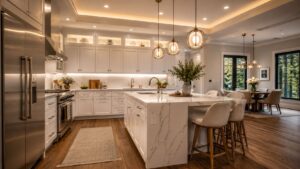
Imagine returning to your Newton or Brookline home after a long day, only to realize your primary bedroom offers no escape from the noise of a busy household. For many, the dream of a private retreat feels out of reach due to the rigid layouts of historic Massachusetts architecture, yet master suite additions are increasingly the preferred solution for families seeking both luxury and long-term functionality. You likely agree that a home should be a place of rest, but it’s hard to feel restored when you’re navigating a cramped 1950s bathroom or a closet that barely fits a single season of clothing.
This guide will show you how to design a custom addition that provides the privacy you crave while adding significant value to your property. According to 2024 regional remodeling data, a well-executed primary suite addition in the Greater Boston area can recoup over 62 percent of its cost in immediate equity. We’ll walk through the essential steps of the construction process, from navigating local zoning laws to selecting high-end finishes that ensure your new wing feels like a seamless part of the original structure.
Key Takeaways
- Learn why the modern primary retreat has evolved into a multi-functional sanctuary that balances high-end luxury with significant property value.
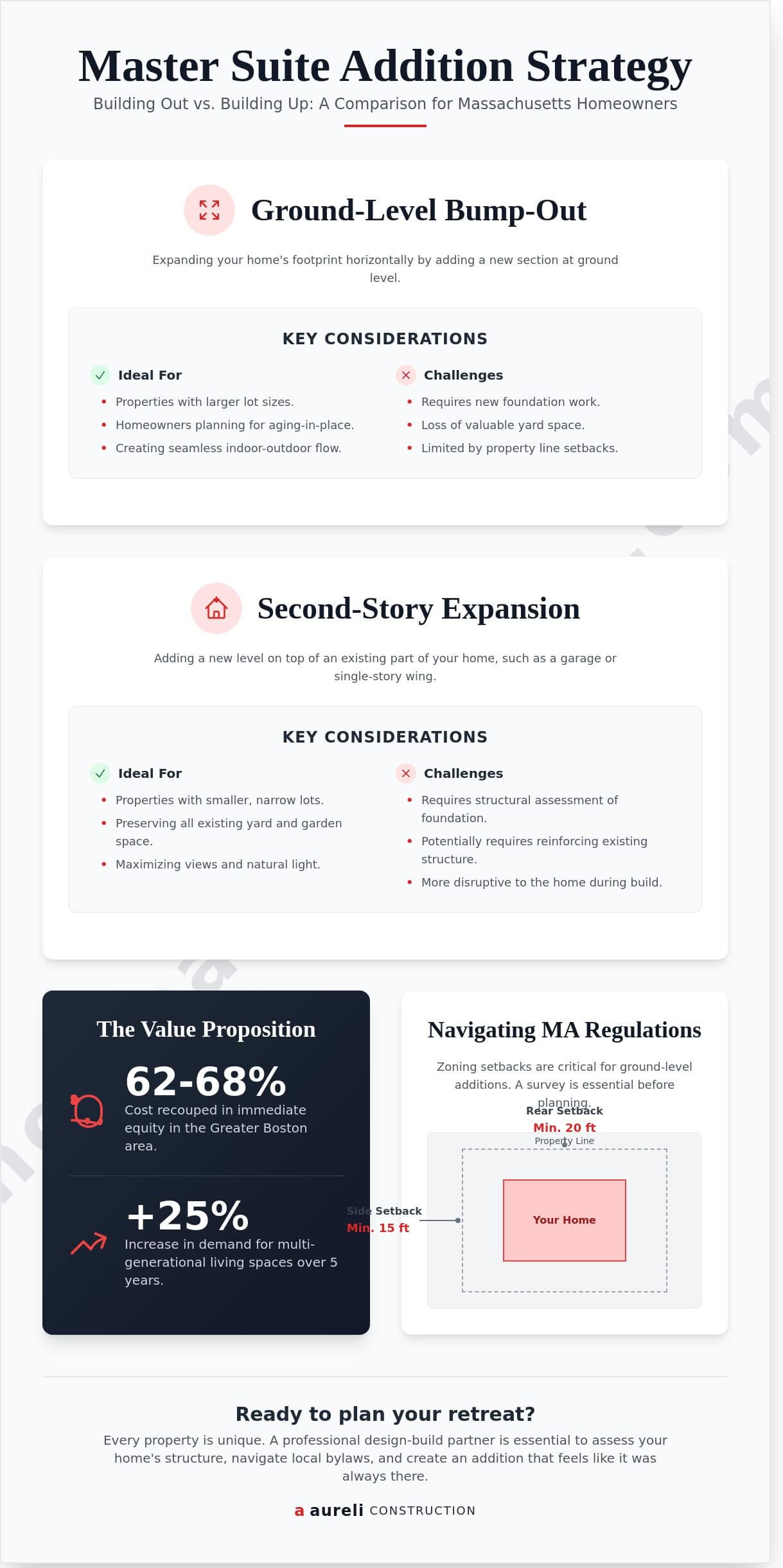
- Determine whether a ground-level bump-out or a second-story expansion is the most efficient strategy for your specific lot and local Massachusetts building codes.
- Explore 2026 design trends for creating spa-like en suite baths and custom storage solutions that maximize your home’s existing footprint.
- Gain essential insights into navigating the permit process and zoning bylaws to ensure your project meets all regional regulatory requirements.
- Discover how a professional design-build approach streamlines master suite additions by providing a seamless, stress-free transition from architectural concept to finished construction.
What Defines a Modern Master Suite Addition in 2026?
Homeowners across the Greater Boston area are redefining the concept of the bedroom. A modern suite is no longer just a place to sleep; it’s a comprehensive architectural solution that addresses the need for privacy and long-term utility. In 2026, the real estate market has fully embraced the shift from “Master” to “Primary” suite terminology. This change reflects a broader movement toward modern, inclusive language in Massachusetts property listings. These master suite additions are now designed as complete wings of the home, often featuring distinct zones for rest, hygiene, and organization.
The essential components of a contemporary suite have expanded significantly. A standard project now includes a spacious sleeping area, oversized walk-in closets with custom cabinetry, and a full 5-piece en suite bath. This bathroom configuration typically features a soaking tub, a curbless glass shower, dual vanities, and a private water closet. For many residents in towns like Brookline or Lexington, these additions are a proactive step toward aging-in-place. By installing a ground-floor suite now, you ensure the home remains accessible and comfortable for decades to come.
The Evolution of the Primary Retreat
Current design trends emphasize wellness and the creation of multi-functional zones within the suite’s footprint. We’re seeing a rise in integrated reading nooks and small, private home offices that allow for quiet productivity away from the main living areas. A luxury master suite is a self-contained sanctuary that balances privacy with high-end utility. By incorporating advanced soundproofing and automated climate zones, we create a space that feels entirely separate from the rest of the household. This focus on craftsmanship ensures that the new space feels like a natural extension of your original architecture rather than an afterthought.
Value Addition for Massachusetts Properties
Investing in master suite additions is a strategic move for those looking to build equity in the competitive Boston suburban market. Data from regional real estate reports indicates that a high-quality suite addition can offer a return on investment between 62% and 68% in affluent areas like Newton and Winchester. This value is driven by a 25% increase in demand for multi-generational living spaces over the last five years. To manage these complex structural changes, many homeowners utilize a design-build project delivery method. This system provides a single point of contact for both the architectural planning and the physical construction, which reduces stress and ensures the project stays on schedule. It’s a reliable way to enhance your lifestyle while securing your home’s future market position. For those who wish to find out more about the high-end design standards championed by firms like Advance Architecture, looking at international portfolios can provide fresh perspectives on modern living.
Choosing Your Addition Strategy: Bump-Out vs. Second Story
Choosing the right footprint for master suite additions depends on your property’s unique constraints. In towns like Medford, local setback requirements often dictate your options before the first blueprint is drawn. You must evaluate the distance between your current exterior walls and your property line. Most Massachusetts municipalities require a minimum of 15 feet for side setbacks and 20 feet for rear setbacks. These regulations can limit ground-level expansion on narrow or shallow lots.
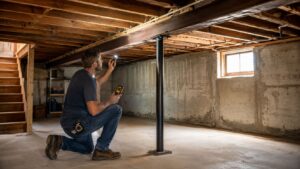
Structural integrity is the most important factor when deciding whether to build up. If you choose a second-story expansion, your existing foundation must support the increased weight. Many older homes in the Greater Boston area rely on stone or unreinforced concrete foundations. These structures often require underpinning or the addition of steel columns to meet modern building codes. A professional engineer will assess your basement footings to ensure they can handle the load of a new master wing without settling or cracking.
Every home presents a different puzzle. Whether you are expanding a 1920s Colonial or a mid-century Ranch, the goal is to create a space that feels like it was always part of the original design. If you’re ready to see what’s possible on your lot, you can request a feasibility study to determine the best path forward for your home.
The Ground-Level Bump-Out
This strategy is ideal for homeowners in Lexington or Belmont who enjoy larger lot sizes. A bump-out expands your home’s footprint horizontally. It’s a popular choice for families who want to keep the primary bedroom on the first floor for long-term accessibility. While you lose a portion of your yard space, you gain a seamless transition from your existing common areas. This approach typically involves less disruption to your daily life because the heavy construction remains outside the existing living envelope for a longer duration.
Second-Story Suite Expansions
In dense neighborhoods like Somerville and Cambridge, building up is often the only viable path. Second-story master suite additions allow you to preserve your outdoor space while significantly increasing your square footage. You must navigate local height restrictions, which often cap residential structures at 35 feet in many Massachusetts zones. It’s also vital to consider how the new height affects your neighbor’s sightlines and privacy. For a detailed look at the technical requirements, refer to our second story addition contractors guide to understand the necessary structural upgrades and framing needs for these complex builds.
Designing for Luxury: En Suite Baths and Custom Closets
A master suite addition represents more than just extra square footage; it’s a private retreat designed for long-term comfort. We focus on creating wet rooms where a freestanding soaking tub and a walk-in shower share a single, waterproofed zone. This layout creates an expansive feel and simplifies maintenance. For storage, we design custom walk-in closets with floor-to-ceiling shelving systems. This approach maximizes every inch of the 120 to 180 square feet typically allotted for dressing areas, ensuring that couples have distinct, organized spaces.
Smart home technology plays a critical role in modern master suite additions. We install automated lighting systems that adjust based on the time of day and climate control zones that keep the bedroom cooler than the bath. Soundproofing is another essential luxury. By using rockwool insulation and resilient channels in the walls, we can reduce sound transmission by up to 50 percent. This ensures your suite remains a quiet sanctuary even in busy Boston suburbs. We select non-porous materials like engineered quartz and porcelain tile because they resist mold and withstand the high humidity levels common in New England homes.
The 2026 Master Bathroom Playbook
Radiant floor heating is now a standard request for 85 percent of our local projects. It provides consistent, efficient warmth during sub-zero Massachusetts winters. Curbless showers are also gaining popularity for their sleek look and “aging-in-place” functionality. For homeowners requesting high-end steam showers, we install advanced ventilation systems capable of moving at least 150 cubic feet of air per minute. These systems are designed to meet the 2023 MA Stretch Energy Code, which mandates strict moisture control and energy efficiency standards for all new residential construction.
Architectural Continuity in MA Homes
Maintaining the soul of your property is vital during a renovation. In towns like Arlington, we carefully match the steep rooflines of Victorians or the symmetrical window placements of traditional Colonials. We source fiber cement siding and custom-milled trim to ensure the new wing looks original to the house. Our team handles every detail, from sourcing matching brick patterns to replicating historic crown molding. You can see our work as a home addition contractor in Newton, MA to see how we blend modern luxury with historic local charm. This turnkey approach ensures your investment adds both functional space and significant curb appeal.
Navigating the Planning Process: Permits and Zoning
Planning master suite additions involves much more than selecting high-end finishes or layout options. It requires a strategic approach to local Massachusetts regulations that vary significantly from one zip code to the next. Zoning compliance is the most critical first step in any MA addition project to avoid costly delays.
Zoning and Setback Realities
In densely packed neighborhoods like Medford or Somerville, property lines are often located just a few feet from your exterior walls. You must understand local setbacks, which dictate the minimum distance required between your new structure and the property line. Most towns also enforce a Floor Area Ratio (FAR). This calculation limits the total square footage of your home based on the size of your lot. If your vision for a new suite exceeds these limits, your project shifts from “by-right” status to one requiring a special permit or variance. This process typically involves public hearings and formal notifications to your neighbors.
Beyond standard zoning, specific local commissions often hold jurisdiction over your project. In towns like Wakefield, any work within 100 feet of a wetland requires a filing with the Conservation Commission to ensure environmental protection. Meanwhile, in historic hubs like Lexington or Concord, the Historic District Commission (HDC) must approve every external detail. They focus on preserving the architectural integrity of the region, often requiring specific materials or window proportions that match the original character of the neighborhood.
The Design-Build Timeline
The path from initial concept to a finished master suite follows a structured sequence: feasibility, design, permitting, and construction. While the physical build is the most visible phase, the administrative phase is often the most complex. In the Greater Boston area, the permit phase can take 3 to 6 months depending on the town’s meeting schedules and the complexity of the approvals required. This duration is a standard reflection of the rigorous safety and aesthetic standards maintained by Massachusetts building departments. You can explore our full design-build guide for a deeper look at how we manage these stages.
Homeowners should also prepare for “invisible” costs that don’t show up in a lumber list. These expenses are essential for a legal and safe expansion. These include:
- Architectural and Engineering Fees: Professional stamps are required to prove structural integrity to the building inspector.
- Municipal Permit Fees: These are typically calculated based on the total valuation of the construction work.
- Utility Infrastructure: Adding a luxury bathroom often necessitates upgrading your electrical panel or increasing the size of your water service line to maintain adequate pressure.
Managing these logistics is a full-time responsibility that requires local expertise and professional relationships with town officials. If you’re ready to discuss the feasibility of your project and navigate these requirements with confidence, contact our team today to start the conversation.
Why a Design-Build Partner is Essential for Master Suite Additions
Expanding your home is a significant investment that requires a steady, experienced hand. Many homeowners find themselves overwhelmed when they try to manage separate architects, engineers, and contractors. This fragmented approach often leads to communication gaps and costly delays. A design-build partner like Aureli Construction eliminates these hurdles by providing a single point of contact. We take ownership of your project from the first sketch to the final coat of paint, ensuring your vision for master suite additions remains intact throughout the entire process.
Structural expansions are inherently complex. They involve tying new foundations into existing ones and reconfiguring rooflines to match your home’s original character. We manage these technical challenges with precision. Our team coordinates every phase, including the integration of HVAC systems and heavy structural framing. This unified workflow prevents the common “finger-pointing” that occurs when a builder discovers an error in an architect’s plans. By catching these issues during the design phase, we save you time and protect your budget.
Living in a home during a major remodel is challenging. We prioritize your comfort by establishing clear dust barriers and maintaining a strict schedule that respects your daily routine. Transparency is a cornerstone of our service. We provide fixed-price contracts to prevent “budget creep,” a common issue where costs spiral out of control due to poor planning. You’ll know exactly what you’re paying before we ever swing a hammer.
The Aureli Advantage: 30 Years of Local Experience
We’ve spent three decades navigating the specific architectural landscape of Massachusetts. Our team possesses a deep understanding of local building codes and the unique zoning requirements found in historic Boston suburbs. This local expertise allows us to secure permits faster and avoid regulatory setbacks. We provide turnkey management for every specialist involved, including master plumbers, licensed electricians, and expert finish carpenters. Our commitment to high-quality craftsmanship ensures your new suite isn’t just a room, but a seamless extension of your home’s heritage.
Starting Your Transformation
Preparation is the key to a successful consultation. Before we meet, it’s helpful to gather a list of your “must-have” features versus “nice-to-have” amenities. Think about how you use your current space and where the bottlenecks occur. During our initial meeting, we’ll discuss your goals and begin the process of visualizing your suite. We use advanced 3D modeling software to show you exactly how the new space will look and feel before any construction begins. This allows you to make informed decisions about layouts and finishes with complete confidence.
Ready to create the retreat you deserve? Contact Aureli Construction today for your master suite consultation and take the first step toward a more comfortable home.
Transform Your Boston Home for 2026
Investing in your home is a significant decision that requires a balance of architectural vision and technical precision. You need a clear strategy for navigating local zoning laws and a design that prioritizes both luxury and long-term value. As you plan for 2026, remember that successful master suite additions require more than just extra square footage. Whether you choose a second-story expansion or a strategic bump-out, the process should be seamless and focused on structural integrity.
Aureli Construction brings over 30 years of local design-build expertise to every project. We’re specialists in Newton and Greater Boston historic home renovations, ensuring your new space respects the original structure while adding modern comfort. Our team provides comprehensive project management from the initial permit application to the final coat of paint. This turnkey approach eliminates the frustration of managing different vendors and keeps your project on schedule. We’re here to turn your vision into a structural reality that enhances your daily life and your property’s worth.
Start Planning Your Dream Master Suite with Aureli Construction
Your home deserves the care of a seasoned craftsman who treats every detail with gravity. We look forward to beginning this conversation and building a space where you can truly relax.
Frequently Asked Questions
How much square footage is needed for a comfortable master suite addition?
A comfortable master suite addition typically requires between 300 and 600 square feet of floor space. This allocation allows for a 200 square foot bedroom, an 80 square foot bathroom, and a 40 square foot walk-in closet. Smaller footprints often feel cramped; however, spaces exceeding 600 square feet may lead to inefficient heating and cooling in the Massachusetts climate. We focus on a layout that balances luxury with functional movement.
Will a master suite addition actually increase my home value in Massachusetts?
Adding a master suite provides a high return on investment, with the 2023 Remodeling Cost vs. Value Report indicating that upscale master suite additions in the New England region recoup approximately 50 percent of their cost at resale. These additions make a property more competitive in markets like Brookline or Cambridge. Buyers prioritize homes with a dedicated primary retreat, which can reduce the time a house stays on the market by 15 days.
Can I add a master suite to the first floor of my house?
You can certainly add a master suite to the first floor, which is a popular choice for homeowners planning for “aging in place.” This configuration eliminates the need for stairs and provides long-term accessibility. Our team evaluates your property’s setbacks and local zoning bylaws to ensure the footprint fits within the legal boundaries of your lot. First-floor suites also offer a distinct separation from upper-level guest rooms or children’s bedrooms.
How long does it typically take to build a master suite addition in Greater Boston?
Building a master suite addition in Greater Boston typically takes between 4 and 6 months from the start of excavation to the final walkthrough. The design and permitting phase adds another 8 to 12 weeks depending on the specific requirements of your town’s building department. We manage this entire timeline through our turnkey process. This ensures that structural work, plumbing, and interior finishes proceed without unnecessary delays or scheduling conflicts.
Do I need to upgrade my electrical panel or HVAC system for a new suite?
Most older homes in Massachusetts require an electrical panel upgrade to 200 amps to support the additional load of a new suite. If your current HVAC system is more than 10 years old, it likely lacks the capacity to heat and cool the extra square footage efficiently. We often install a dedicated ductless mini-split system for the addition. This provides independent climate control and avoids overtaxing your existing furnace or boiler.
What is the difference between a master suite and a master en suite?
A master suite is a full wing that includes a bedroom, a private bathroom, and often a walk-in closet or sitting area. In contrast, an en suite refers specifically to a bathroom that is directly connected to a bedroom. While an en suite adds convenience, a full suite creates a comprehensive living space. This distinction is vital for homeowners who want a private sanctuary rather than just a functional bathroom upgrade.
Is it better to build out (bump-out) or build up (second story) for a new bedroom?
Building out is generally more cost-effective if you have sufficient yard space, while building up is the better choice for properties with small footprints or strict lot coverage limits. A bump-out addition requires a new foundation but avoids the structural reinforcement needed to support a second story. Conversely, building up preserves your outdoor space and can offer better views. We analyze your site plan to determine which method aligns with 2024 building codes.
How do I get a permit for a home addition in a town like Newton or Lexington?
To get a permit in towns like Newton or Lexington, you must submit a formal application to the local Inspectional Services Department along with certified architectural plans and a plot plan. These municipalities often require a review by the Conservation Commission or the Historical Commission if your home is in a protected district. We handle this entire administrative process for you. Our experience with local zoning boards ensures that your project meets every regulatory standard.