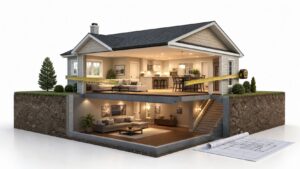
Planning a bathroom remodel for elderly family members in a classic Arlington home isn’t just about updating tile and fixtures. It's a fundamental investment in their safety, independence, and your own peace of mind. As a general contractor working throughout the Greater Boston area, we believe turning an outdated bathroom into an accessible, worry-free space is one of the most meaningful upgrades a homeowner can make.
Why Plan an Accessible Bathroom Remodel in Greater Boston?
If you live in one of the classic older homes in towns like Cambridge or Newton, you know its historic charm often comes with a few quirks. Many of these beautiful houses were built decades before concepts like "aging in place" or "universal design" were on anyone's radar. That’s why a safety-focused bathroom renovation has become one of the most important projects we handle at Aureli Construction.
The goal is to create a space that promotes dignity and keeps loved ones safe. It all comes down to a few key principles our team focuses on:
- Preventing Falls: This is our number one priority. We tackle the biggest risks head-on—slippery floors, high tub walls, and poor lighting are the usual suspects in bathroom accidents.
- Improving Mobility: A thoughtfully designed bathroom gives everyone room to move. That could mean widening a doorway to accommodate a walker or simply ensuring there's clear, unobstructed floor space.
- Ensuring Ease of Use: Every detail counts. We think about things like installing faucets that are easy for arthritic hands to turn or placing storage where it can be reached without straining.
This isn't just a local trend; it's a nationwide need. While home renovations are booming, a recent report from Harvard’s Joint Center for Housing Studies found that a shockingly low 10% of homes have the basic features needed for aging safely. As contractors, we see this reality every day and are committed to helping Massachusetts families close that gap with practical, well-built solutions.
At Aureli Construction, we don’t treat accessibility as a niche request. It's a standard part of modern, intelligent home renovation—a smart upgrade that increases both safety and home value.
A successful project starts with good planning. To help you think through the specifics of adapting a home for long-term comfort, it’s useful to look over resources like these checklists for safe independent living. When you plan ahead, a bathroom remodel for an elderly loved one becomes a practical, lasting, and invaluable improvement to your home.
Table of Contents
- Why Plan an Accessible Bathroom Remodel in Greater Boston?
- Essential Features for a Senior-Friendly Bathroom Remodel in Arlington MA
- Beyond Grab Bars: Smart Fixtures and Lighting for a Bathroom Renovation in Newton MA
- Bathroom Remodel Costs for Elderly Accessibility in Cambridge MA
- Hiring a Bathroom Renovation Contractor in Newton MA and Navigating Permits
- Frequently Asked Questions About Accessible Bathroom Remodels
Essential Features for a Senior-Friendly Bathroom Remodel in Arlington MA
This is where your vision starts to become a reality. A successful elderly-friendly bathroom remodel is all about systematically swapping out hazards for smart, functional, and safe solutions. As contractors who have worked in countless older homes across Arlington and Somerville, we’ve learned which upgrades make the biggest difference.
The Foundation of a Safe Bathroom
It's a stark fact, but the bathroom is often the most dangerous room in the house for seniors. According to some studies, as many as 80% of falls among the elderly occur in the bathroom, making slick, wet floors and high tub walls the primary culprits. Our first goal is always to engineer these risks out of the equation.
This is why we focus so much on creating a safe, accessible core for any bathroom remodel.
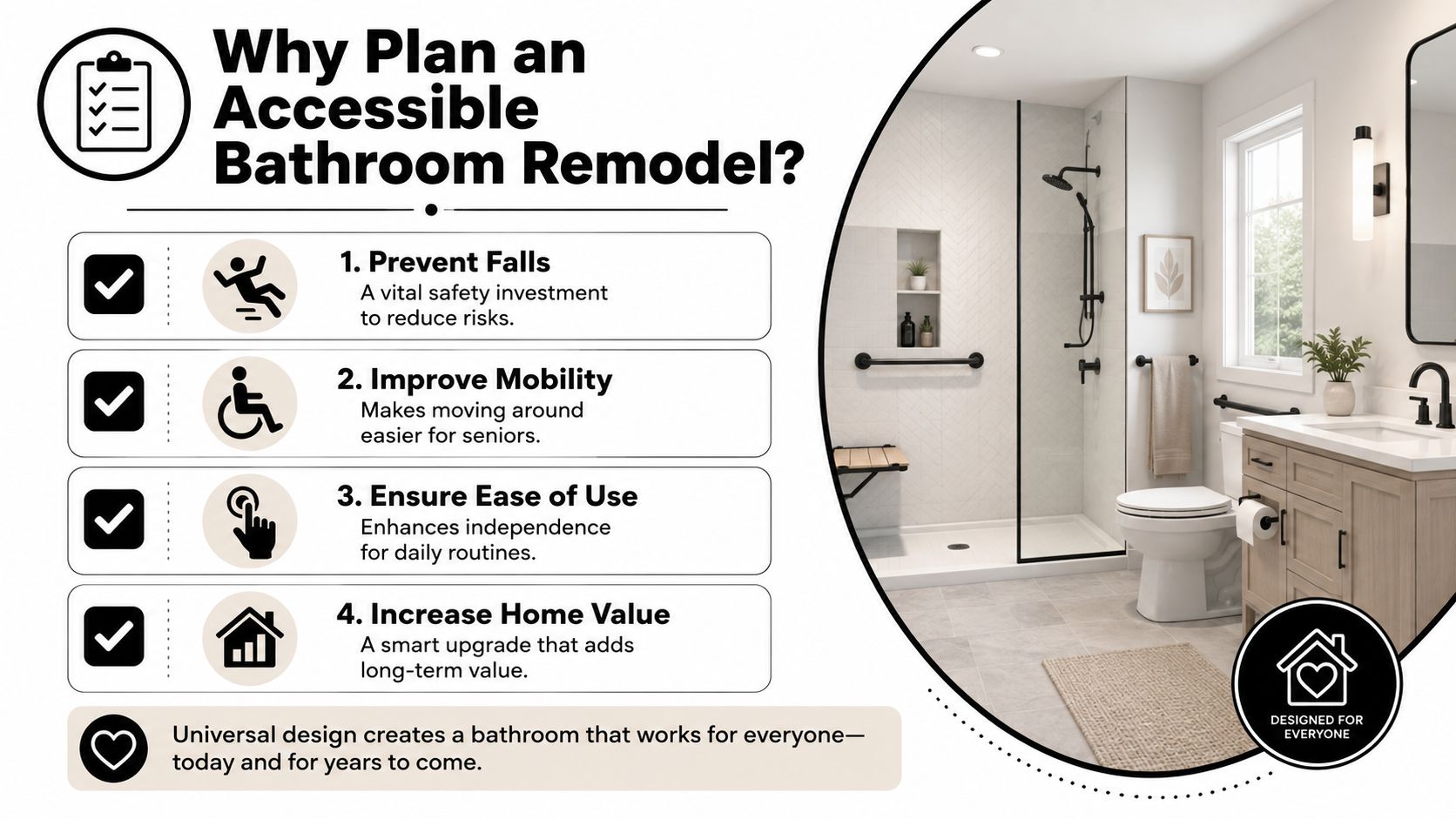
As you can see, a thoughtful remodel is a powerful investment in fall prevention, mobility, long-term independence, and even your home’s overall value.
Must-Have Structural and Fixture Upgrades
Certain features are non-negotiable for a truly accessible bathroom. We incorporate these fundamental upgrades into nearly every aging-in-place project we manage.
- Curbless or Zero-Threshold Shower: Getting rid of the bathtub and its high sidewall is the single most effective change you can make. A curbless shower lets you walk or roll right in, completely removing a major trip hazard. We always ensure the floor is properly sloped with excellent drainage to keep all the water contained right where it should be.
- Integrated Shower Bench: A sturdy, built-in bench offers a secure place to sit while bathing. It’s far safer than a freestanding plastic stool that can slip on a wet floor. Using a waterproof material like a full-height panel for your bathroom ensures the bench is durable, seamless, and easy to keep clean.
- Comfort-Height Toilet: A toilet that stands 17 to 19 inches high, compared to the standard 15 inches, makes a world of difference. That extra couple of inches makes sitting down and standing up significantly easier, reducing strain on the knees and back.
- Strategic Grab Bar Placement: Properly installed grab bars are essential safety equipment, not just accessories. We anchor them directly into wall studs to ensure they can support a person's full weight. The key is placing them exactly where they’re needed most—next to the toilet, inside the shower, and at the shower entrance.
- Door Widening: Many older homes in Massachusetts have narrow bathroom doorways. We often find it necessary to widen the doorway to at least 32 to 36 inches to accommodate walkers or wheelchairs. It’s a crucial modification for ensuring long-term accessibility.
To help you visualize these key components, we've put together a quick reference table with our recommended specifications.
Table: Key Safety Features and Recommended Dimensions
| Feature | Aureli Construction Recommendation | Primary Benefit |
|---|---|---|
| Curbless Shower | Zero-threshold entry with a 2% slope to the drain. | Eliminates trip hazards and allows for walker/wheelchair access. |
| Grab Bars | 24-36 inches long, installed 33-36 inches from the floor. | Provides stable support for sitting, standing, and transitioning. |
| Comfort-Height Toilet | Seat height of 17-19 inches. | Reduces strain on knees and back, making it easier to use. |
| Shower Bench | Built-in, 17-19 inches high and 15-16 inches deep. | Offers a secure, stable seating area for safer bathing. |
| Non-Slip Flooring | Tile with a DCOF rating of 0.42 or higher. | Increases traction and significantly reduces the risk of slipping on wet surfaces. |
| Doorway Width | Minimum of 32 inches; 36 inches is ideal. | Ensures easy access for walkers and wheelchairs, now and in the future. |
Choosing the right fixtures and assistive devices is what makes the design work. For a deeper look into the variety of equipment available, check out this excellent guide from DME Superstore on bathroom fall prevention.
Beyond Grab Bars: Smart Fixtures and Lighting for a Bathroom Renovation in Newton MA
Once the big pieces like a curbless shower and grab bars are planned, it's the smaller details that truly elevate a bathroom’s safety and comfort. We believe an accessible bathroom remodel for an elderly loved one is about more than just the basics; it’s about creating a space that feels dignified, comfortable, and easy to use every single day.
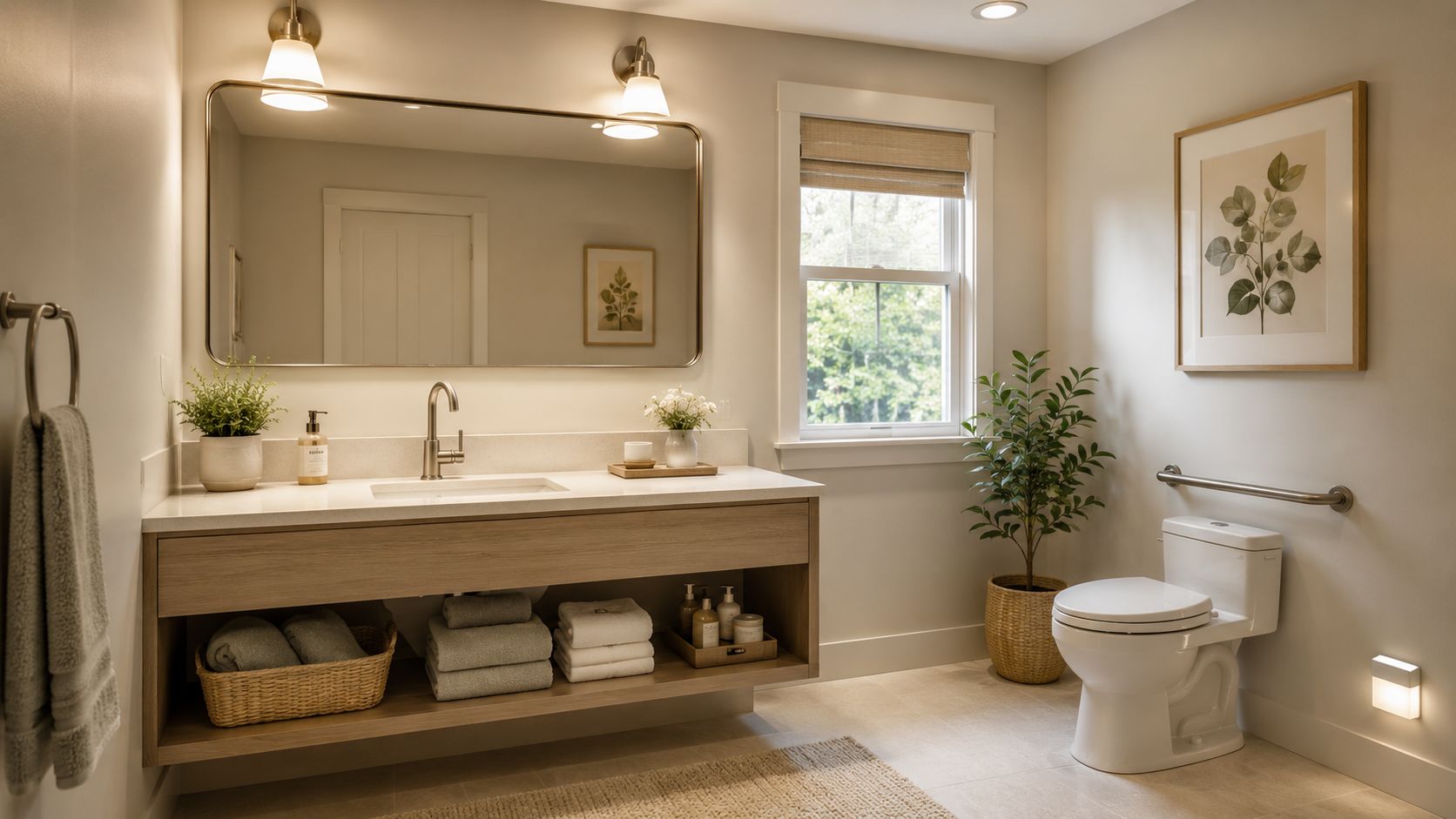
Good lighting is one of the most effective, yet often overlooked, ways to prevent accidents. Our team always designs a layered lighting plan for our clients, combining bright, even ambient light to illuminate the whole room with focused task lighting over the vanity and mirror. We also integrate subtle, motion-activated night lights—a simple feature that’s critical for preventing trips and falls during those late-night bathroom visits common in homes across the Greater Boston area.
Fixtures and Storage for Independence
Next, we turn our attention to the fixtures. These small choices can have a huge impact on daily independence, especially for anyone dealing with arthritis, reduced grip strength, or limited mobility.
- Easy-to-Use Faucets: We almost always recommend single-lever faucets. They are far easier to operate with a simple nudge of the hand or wrist, unlike traditional knobs that require twisting and turning.
- Anti-Scald Shower Valves: This is a crucial safety feature we install as a standard. These thermostatic valves automatically prevent sudden, dangerous spikes in water temperature, protecting sensitive skin from burns.
- Handheld Showerheads: A handheld sprayer installed on an adjustable slide bar is a game-changer. It offers incredible flexibility, allowing a person to bathe comfortably and thoroughly while seated on a shower bench.
Our team always says that smart storage is just as vital as a grab bar. Our goal is to place daily essentials within easy reach, completely eliminating the need for risky bending or stretching to get the shampoo. This often means designing low, open shelving or pull-out drawers in the vanity.
These thoughtful details are what ensure the finished bathroom isn't just safe according to Massachusetts building codes, but is also genuinely practical and comfortable for the person who will be using it every single day.
Bathroom Remodel Costs for Elderly Accessibility in Cambridge MA
Every homeowner we meet, whether in Lexington or Belmont, starts with the same practical question: what will a bathroom remodel for elderly accessibility actually cost? It's the most important question, and the answer really depends on the scope of the project. We’re here to give you realistic budget ranges based on our experience in the Greater Boston market—not national averages.
Breaking Down the Budget in Massachusetts
A full, down-to-the-studs accessible bathroom renovation in our area typically falls in the $25,000 to $45,000+ range. This price reflects the high standard of work, licensed labor, and quality materials needed for a project that includes a custom curbless shower, new tile, a comfort-height toilet, a vanity, and professional-grade waterproofing.
However, you don't always need a full overhaul to make a huge safety impact. Many clients start with a more focused project. A tub-to-shower conversion is one of the most common requests we get.
Converting a dangerous high-sided tub into a low-threshold walk-in shower is a high-impact project. In the Massachusetts market, this conversion typically costs between $12,000 and $20,000, including demolition, plumbing, tiling, and fixtures.
Smaller upgrades can also fit into a more modest budget. For instance, you could tackle a few high-priority items:
- Grab Bar Installation: Professionally installing a set of grab bars might run $300 to $800, depending on the wall structure.
- Toilet Upgrade: Swapping an old toilet for a new comfort-height model usually costs between $600 and $1,200.
National data from Build with Inspiration shows that accessible bathroom projects can range from $6,600 to over $28,000, with homeowners prioritizing high-impact safety changes first. The most common upgrades include replacing tubs with low-threshold showers and improving toilet access, which lines up with what we see right here in our area.
Understanding the costs of construction in our state is key to planning any major project. To help you get a clearer picture, you might be interested in our detailed breakdown of the cost of construction in Massachusetts.
Hiring a Bathroom Renovation Contractor in Newton MA and Navigating Permits
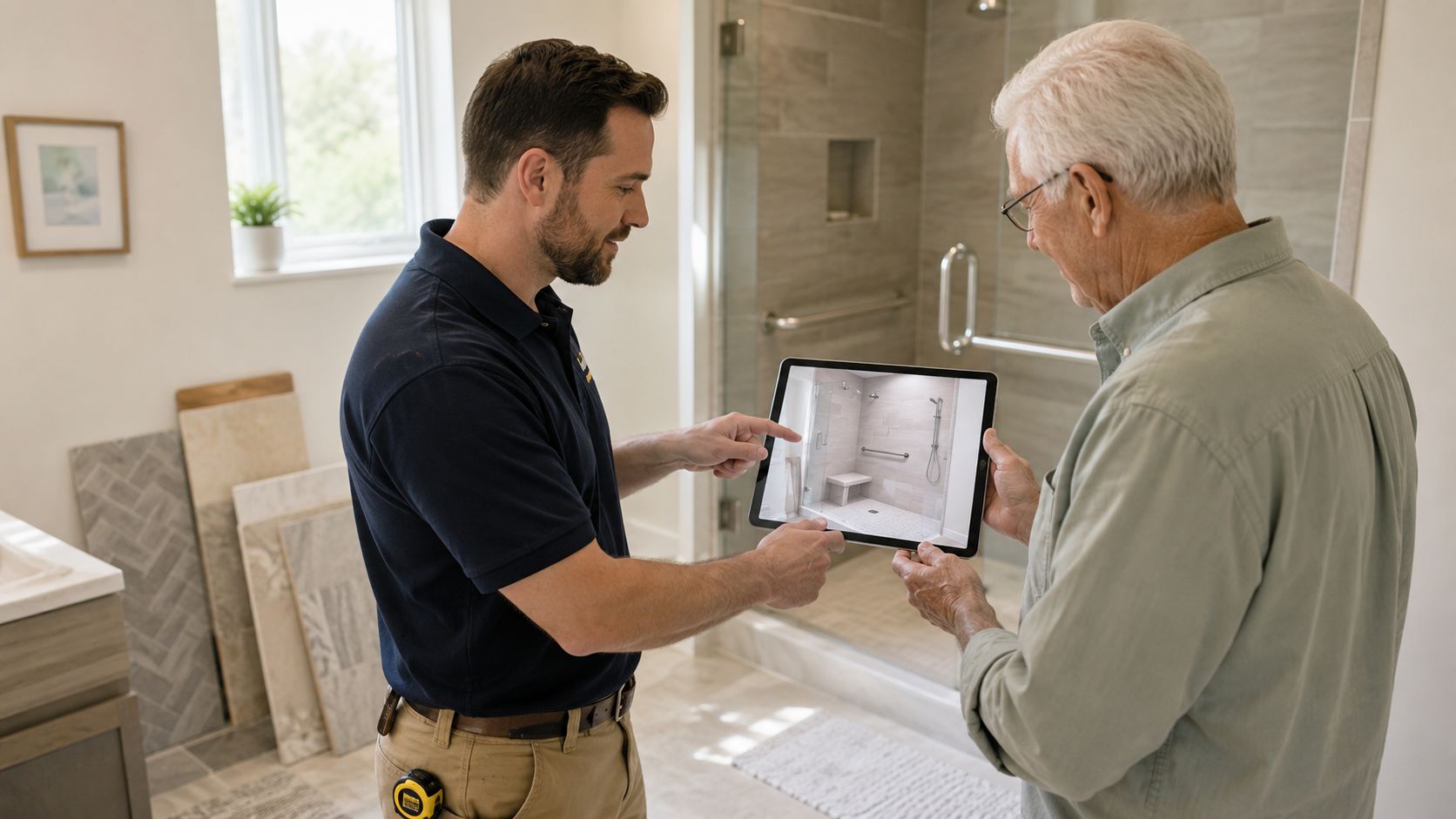
When you’re remodeling a bathroom to make it safer for an elderly loved one, there’s no room for error. Getting the job done right—and legally—is paramount. This is where a qualified, licensed general contractor like Aureli Construction makes all the difference, ensuring the finished space is truly safe and protects your home's long-term value.
Massachusetts Permit Requirements
In Massachusetts, you’ll almost always need a building permit if you’re moving walls, touching the plumbing, or rewiring anything. For an accessible bathroom remodel, our team considers it standard practice.
Navigating the specific permit process in towns like Wellesley or Medford can feel like a maze, but a good contractor manages all of it for you. We handle the paperwork, schedule the inspections, and make sure every detail complies with Massachusetts building codes from start to finish.
This is how we guarantee that the waterproofing in a curbless shower is flawless and that grab bars are anchored to support real weight. You can get a better sense of how we streamline this critical step by reading about our permitting process in Massachusetts.
Finding the Right Professional
Choosing the right partner for the job is the most important decision you'll make. The best contractor brings years of experience, total transparency, and a genuine understanding of accessible design to the table.
When you vet a contractor, ask direct questions: Are you licensed and insured in Massachusetts? Can you show me a portfolio of similar accessible remodels you’ve completed? Do you have references from homeowners in our area?
A reputable builder will welcome these questions and give you straight answers. If you're trying to get a handle on what to expect financially, it can also be helpful to consult resources for planning your bathroom remodel budget. Our job is to provide a clear, detailed estimate and then deliver a bathroom that offers peace of mind for years to come.
Frequently Asked Questions About Accessible Bathroom Remodels
Over the years, our team has helped countless families across Greater Boston design safer, more comfortable bathrooms. In that time, we've found that homeowners often have the same great questions when they start planning. Here are the answers to the questions we hear most.
How long does an accessible bathroom remodel take?
Most of our accessible bathroom projects, from the first day of demolition to the final polish, take between two and four weeks. This timeline can shift based on the project's complexity and the local building department's inspection schedule in towns like Reading or Wakefield. The process involves demolition, plumbing and electrical rough-ins, waterproofing, tiling, and finally, fixture installation.
Can we improve safety without a full remodel?
Absolutely. We understand that a full-scale renovation isn't always possible. You can make a huge difference with a few high-impact upgrades. Professionally installed grab bars, a high-quality shower seat, and swapping a standard toilet for a taller, comfort-height model are excellent starting points for improving safety right away. Our team can help you prioritize the changes that will provide the most benefit for your budget.
Is "accessible" the same as "ADA-compliant"?
This is an important distinction we clarify with our clients. "ADA-compliant" refers to strict federal regulations for public and commercial buildings. For a private home in Massachusetts, our goal is "accessible design." We take proven safety principles from the ADA and adapt them for a residential setting, focusing on both comfort and aesthetics. The result is a bathroom that is incredibly safe but feels like a comfortable part of your home, not a sterile, institutional space.
Ready to take the next step and create a bathroom that is both safe and beautiful for your family? As a team that specializes in aging-in-place renovations, we’ve worked on countless older homes in communities like Cambridge, Arlington, and Newton. We understand their unique quirks and how to build solutions that not only meet today’s accessibility standards but also blend seamlessly with your home’s character. From the initial design and securing Massachusetts permits to the final, high-quality installation, we manage every detail.
Let’s talk about how we can make your home safer and more comfortable. Contact Aureli Construction for a free, no-obligation estimate, and we’ll help you create a space that works for you. https://homeadditionma.com