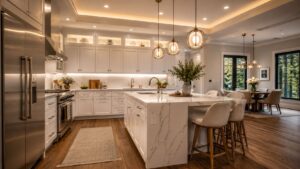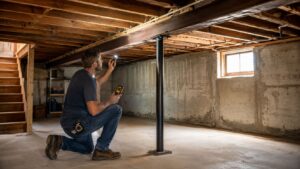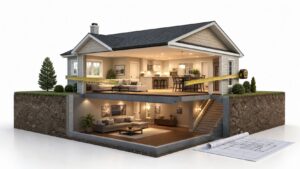
What if your home’s most beautiful square footage didn’t have to sit dormant for 150 days of the year? Most homeowners in Greater Boston accept that their outdoor-adjacent spaces are off-limits once the first frost hits in October. It’s frustrating to watch your square footage go to waste when the Massachusetts winter settles in. You deserve a space that captures the light without the chill. This 2026 guide provides a clear roadmap for choosing between three-season and four-season sunrooms, focusing on the structural integrity and energy standards required by current MA building codes.
You’ll discover how to balance your lifestyle needs with the technical realities of New England construction. We examine everything from snow load requirements to turnkey design-build solutions that eliminate the stress of managing multiple contractors. By the end of this guide, you will understand how a seamless architectural addition can provide year-round comfort and a significant return on your investment. Our goal is to ensure your project adds lasting value to your home through expert craftsmanship and a stress-free process.
Key Takeaways
- Understand how a glass-dominant addition maximizes natural light to enhance your mental well-being during the long Massachusetts winters.
- Compare the structural and financial differences between three-season and four-season sunrooms to find the ideal balance of comfort and investment.
- Navigate complex MA building codes and snow load engineering requirements essential for protecting your home’s structural integrity.
- Learn why custom design-build solutions provide significantly better long-term ROI and durability than mass-produced prefabricated kits.
- Discover how a turnkey, start-to-finish construction process ensures a seamless and stress-free transition from initial design to the final coat of paint.
Understanding Sunroom Additions in the Massachusetts Climate
Modern sunrooms represent a sophisticated shift in how Massachusetts homeowners expand their living space. Unlike a standard room addition that relies on traditional studs and drywall, a sunroom prioritizes transparency and natural light. It serves as a glass-dominant structure engineered to bridge the gap between indoor climate control and the scenic beauty of a New England backyard. These spaces have evolved from the simple, uninsulated screened porches of the mid-20th century into high-performance structural additions that can withstand heavy snow loads and coastal winds.
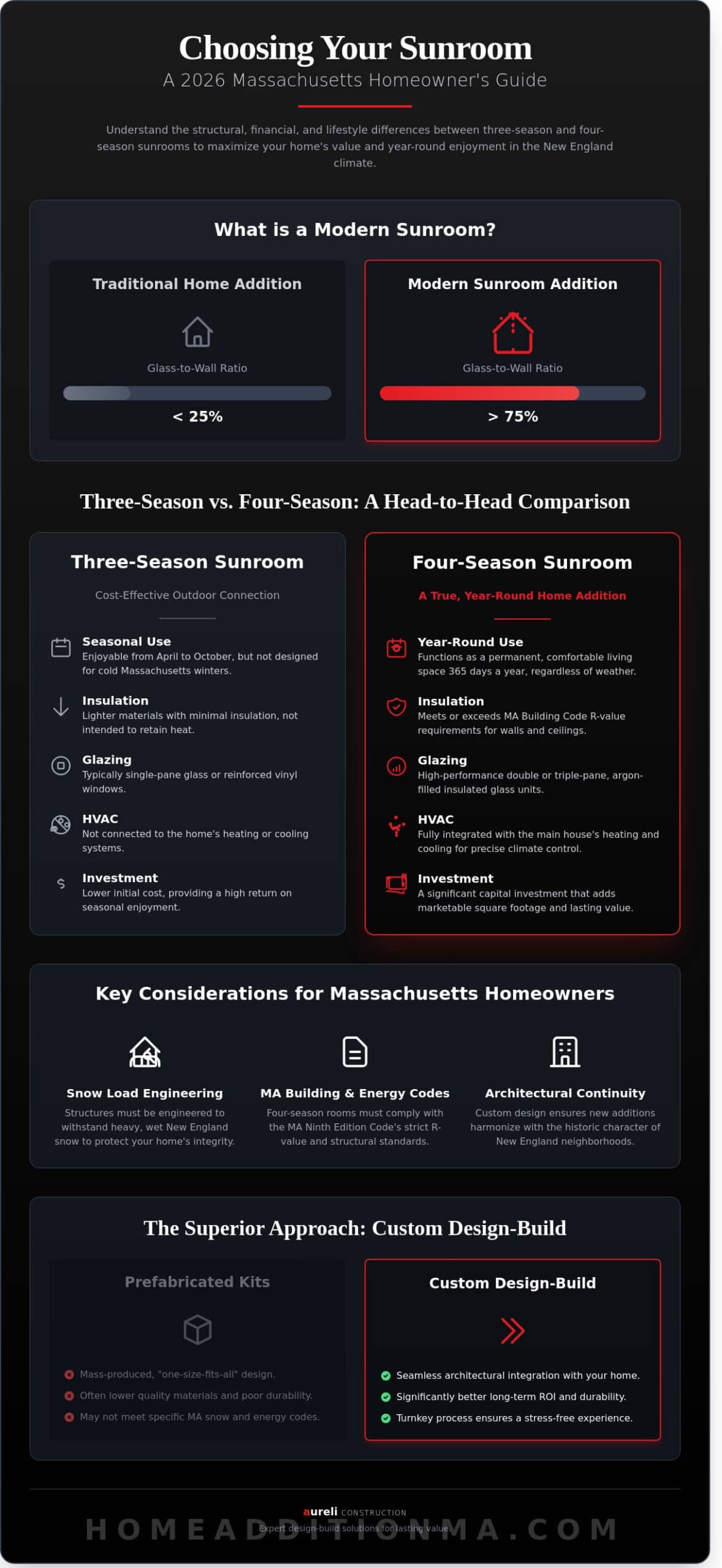
The architectural evolution of these spaces is driven by advancements in glass technology. In the 1970s, a sunroom was often a seasonal kit made of thin aluminum and single-pane glass. Today, we build them using thermally broken frames and argon-filled, double or triple-pane glass units. This transition allows the structure to function as a legitimate part of the home’s footprint rather than a temporary attachment. Traditional home additions usually feature a glass-to-wall ratio of less than 25%. By contrast, custom sunrooms often exceed 75% glass coverage, creating a structural shell that maximizes solar heat gain and provides panoramic views.
The Role of Sunrooms in Historic MA Neighborhoods
Preserving the character of a local neighborhood is a primary concern for homeowners in towns like Belmont and Lexington. We focus on architectural continuity to ensure that a new glass addition doesn’t look like an afterthought. For a 19th-century Victorian or an 18th-century Colonial, we utilize custom trim work and roof pitches that mirror the original structure. Modern glass technology allows us to maintain these traditional New England aesthetics while providing the energy efficiency required by current Massachusetts building codes. This balance ensures the addition adds significant market value to the property without disrupting the historic streetscape.
Seasonal Utility: From Summer Breezes to Winter Solace
Living in New England means dealing with drastic seasonal shifts. During the winter solstice in Boston, residents experience only about nine hours of daylight, which can impact mental well-being. A sunroom provides a dedicated space for “outdoor living” even when the temperature drops below freezing. It acts as a vital sanctuary during the muddy spring weeks or the peak of a snowy January. These structures also serve as an energy buffer. A well-positioned sunroom captures solar heat during the day, which can help reduce the heating load on the main house. We help you evaluate your lifestyle to determine if you need a space for year-round morning coffee or a seasonal retreat for summer entertaining. This decision dictates the level of insulation and HVAC integration required for your specific project.
Three-Season vs. Four-Season Sunrooms: Which Fits Your Lifestyle?
Deciding between these two styles of sunrooms depends on how you intend to use the extra square footage. A three-season room provides a budget-friendly way to enjoy the outdoors from April through October. Conversely, a four-season room functions as a permanent extension of your home’s living area. The primary difference lies in the thermal envelope. While a three-season space uses lighter materials, a four-season addition meets the same energy efficiency standards as a new bedroom or kitchen. According to the Massachusetts Ninth Edition Building Code, habitable additions must meet strict R-value requirements for walls and ceilings. This ensures your investment remains comfortable when January temperatures in Greater Boston drop below 20 degrees Fahrenheit.
The Three-Season Room: Cost-Effective Outdoor Connection
These structures prioritize visibility and airflow. They typically feature single-pane glass or reinforced vinyl windows and lack the heavy insulation found in primary living spaces. For homeowners in Medford and Somerville, these are excellent choices for summer dining or secondary relaxation areas. You’ll find these rooms stay comfortable during the shoulder seasons of late spring and early autumn. However, they aren’t designed for the 50-degree temperature swings common in New England. Without a dedicated HVAC connection, these rooms remain dormant during the winter months. They offer a high return on enjoyment for a lower initial capital outlay, providing a seamless transition to your backyard during the warmer months.
The Four-Season Room: A Full-Scale Structural Addition
Building a four-season room requires advanced engineering. We utilize thermal breaks in the framing to prevent cold transfer and install double-pane, Low-E glass to manage solar heat gain. These rooms include integrated heating and cooling, often via ductless mini-split systems. This allows the space to serve as a 365-day home office, dining room, or master suite extension. Because these are classified as habitable space under Massachusetts zoning laws, they contribute directly to your home’s total square footage. This classification typically increases property tax assessments but also significantly boosts resale value. A 2023 report from Remodeling Magazine suggests that high-quality sunrooms and additions can recoup a substantial portion of their cost at the time of sale. If you want to ensure your new space adds the most value, you can consult with our design team to review the structural requirements for your specific neighborhood.
- Structural Integrity: Four-season rooms require frost-protected footings or insulated slabs.
- HVAC Integration: Three-season rooms rely on portable heaters; four-season rooms use permanent climate control.
- Zoning Impact: Habitable additions must adhere to stricter setback and energy conservation rules.
Structural Requirements for MA Sunrooms: Snow Loads and Energy Codes
Building a sunroom in the Greater Boston area requires more than a vision for natural light. Every project must comply with the Massachusetts State Building Code (780 CMR), which sets the standard for safety and durability. In towns like Arlington and Winchester, the engineering must account for specific ground snow loads that often reach 50 pounds per square foot. Failure to meet these metrics can lead to structural compromise during heavy winters. We prioritize precision in these calculations to ensure your investment stands firm against the New England elements.
The Massachusetts Energy Stretch Code, updated in 2023, dictates how we approach insulation and glazing. For a four-season room to be considered living space, it must meet strict U-factor ratings for glass. This typically requires high-performance, double or triple-pane windows with a U-factor of 0.25 or lower. These regulations ensure your sunroom remains energy efficient throughout a Medford winter without overtaxing your HVAC system. We guide you through these technical requirements to ensure your space is both comfortable and code-compliant.
Engineering for New England Weather
Generic sunroom kits often fail because they aren’t designed for the weight of a heavy Nor’easter. A custom-built addition uses reinforced rafters and headers tailored to our regional climate. For year-round sunrooms, a frost-protected foundation is mandatory. We excavate footings to a depth of 48 inches to prevent the ground from heaving during freeze-thaw cycles. If your home is near the North Shore coast, we also engineer for wind loads that can exceed 110 miles per hour, using hurricane straps and specialized fasteners to secure the structure against coastal gusts.
Permits and Zoning in Greater Boston
Zoning laws in densely populated areas like Cambridge and Somerville are notoriously complex. Setback requirements might limit your buildable area to a small fraction of your lot, often requiring variances if you’re within 20 feet of a rear property line. Historic districts in Cambridge add another layer of review, often requiring approval from local commissions to ensure the addition matches the neighborhood’s architectural character. Our team manages the entire town hall approval process, from initial filing to the final inspection. This turnkey approach removes the burden of bureaucracy from your shoulders and ensures your project moves forward without legal delays.
Planning Your Sunroom: Design-Build vs. Prefabricated Kits
Choosing between a custom design-build project and a prefabricated kit is the most critical decision in the planning phase. Many homeowners are initially drawn to kits because of the perceived lower price point. However, the structural integrity of custom sunrooms far exceeds that of mass-produced aluminum systems. A design-build approach ensures that your new space is a seamless extension of your home’s existing foundation and roofline. It eliminates the common disconnect between a designer’s vision and the actual construction process. By using a single team for both stages, you ensure that every architectural detail is feasible and within budget. To understand how this integrated approach protects your investment, review our 2026 Design-Build Guide.
The Pitfalls of Sunroom Kits
Kits often look like an afterthought. Their heavy use of aluminum and thin glazing can clash with the architectural character of high-value Massachusetts homes. Finding a reputable local contractor to install a third-party kit is also difficult. Most experienced builders avoid them because they don’t want to be liable for the performance of inferior materials. These units struggle with the New England freeze-thaw cycle. Rapid temperature shifts cause aluminum to expand and contract at different rates than your home’s wood frame. This movement often leads to seal failures and chronic leaks within the first 60 months of installation.
Investment and ROI in Greater Boston
In markets like Newton and Belmont, a custom addition is a strategic financial move. Adding usable, conditioned square footage through high-quality sunrooms provides a unique competitive edge during resale. According to 2024 regional real estate data, homes with integrated, year-round living spaces command higher premiums than those with bolt-on structures. The lifestyle ROI is equally significant. You gain a dedicated space for natural light that improves daily well-being throughout the dark winter months. Before committing to your project, it’s essential to understand the complete financial picture by reviewing detailed home addition prices in Greater Boston to ensure your investment aligns with current market conditions. Homeowners looking for inspiration can view our work as a home addition contractor Newton MA to see how custom integration preserves historic aesthetics.
Custom construction allows for superior insulation and HVAC integration. This means your space remains comfortable when the temperature drops to 10 degrees in January. It’s an investment in permanent square footage rather than a seasonal accessory. We prioritize quality over shortcuts to ensure your home’s value grows over time. You deserve a space that feels like it was always part of the original floor plan.
Ready to build a space that lasts for decades? Contact our design-build team today to start your project consultation.
Building Your Custom Sunroom with Aureli Construction
Aureli Construction brings a 30-year legacy of building high-end residential additions across Middlesex and Suffolk Counties. We understand that adding a sunroom is a significant investment in your home’s equity and your family’s daily comfort. Our team provides a complete turnkey approach; we manage every detail from the initial architectural sketches to the final coat of interior paint. This single point of contact eliminates the friction of coordinating separate designers and contractors, ensuring your vision remains consistent from start to finish.
We prioritize sustainable, energy-efficient building practices that frequently exceed current Massachusetts building codes. In communities like Medford and Winchester, local regulations often require strict adherence to the state’s Stretch Energy Code. We meet these standards by utilizing advanced thermal breaks and high-performance insulated glass to ensure your new space remains usable year-round while minimizing utility costs. Our deep local expertise means we navigate the specific zoning requirements and permitting hurdles of Greater Boston with precision, preventing costly delays before they occur.
Our Design-Build Process
Project success begins with a structured plan. We follow a three-phase system designed to ensure your new addition feels like a natural extension of your property rather than an afterthought.
- Phase 1: Consultation and Site Analysis. We evaluate your property to determine the best placement for your addition. Our team analyzes solar orientation for optimal natural light and assesses neighboring sightlines to protect your privacy.
- Phase 2: Custom Architectural Planning. Our designers create plans that respect your home’s existing lines and historical character. We match roof pitches, siding textures, and trim details to ensure a seamless aesthetic transition.
- Phase 3: Expert Construction. Our master craftsmen use premium materials, including custom interior millwork and high-efficiency glazing. We maintain a clean, organized job site to minimize the impact on your daily routine during the build.
Start Your Transformation Today
Early planning is essential for the 2026 construction season. We recommend starting the design phase at least six to eight months before your desired break-ground date to allow for thorough material procurement and municipal approvals. We invite you to explore our gallery of local sunrooms and master suite additions to see the level of craftsmanship we bring to every project. A well-executed addition is a strategic investment that enhances both your lifestyle and your home’s market value. When you’re ready to expand your living space, Schedule your custom sunroom consultation with Aureli Construction to begin the journey toward your ideal home.
Transform Your Home with a Custom Massachusetts Addition
Choosing between a three-season retreat and a year-round living space depends on how you intend to use your home throughout the changing New England seasons. Your decision impacts everything from HVAC integration to meeting the specific Massachusetts energy codes and structural snow load requirements for 2026. Navigating these technical details and local historic district regulations is simpler when you work with a team that knows the Greater Boston landscape intimately. Aureli Construction provides a turnkey design-build process backed by 30+ years of local Massachusetts experience. We maintain an A+ rating for excellence by prioritizing structural integrity and seamless architectural transitions. Adding one of our custom sunrooms isn’t just about more square footage; it’s a strategic investment that increases your property value while providing a peaceful connection to the outdoors. We take the stress out of zoning and permitting so you can enjoy a predictable, high-quality construction experience. Our craftsmen are ready to help you bridge the gap between your current floor plan and your ideal living space.
Get a Professional Sunroom Consultation for Your MA Home
Frequently Asked Questions
Do I need a permit for a sunroom in Massachusetts?
Yes, you must obtain a building permit for any sunroom addition in Massachusetts according to the 780 CMR State Building Code. Local building departments in towns like Newton or Quincy require these permits to ensure structural integrity and compliance with energy codes. Our team manages the entire filing process to ensure your project meets all 2026 zoning requirements without delays.
How much does a four-season sunroom add to my home value in Boston?
A four-season sunroom significantly boosts property value, often yielding a 47% to 52% return on investment according to recent regional real estate data. Because these spaces include HVAC integration and high-performance glass, they count as finished square footage in Greater Boston appraisals. This addition increases your home’s usable living space, making it more attractive to buyers looking for year-round natural light.
Can I use a three-season sunroom in the winter with a space heater?
You can’t effectively heat a three-season room during a Massachusetts winter because these structures lack the thermal break and high-performance insulation found in four-season sunrooms. While a space heater might provide temporary warmth in October, it won’t combat January temperatures that frequently drop below 20 degrees. The single-pane glass allows heat to escape instantly, resulting in high energy costs and potential condensation issues.
What is the average construction timeline for a custom sunroom addition?
A custom sunroom typically takes 8 to 12 weeks to complete from the day we break ground. This timeline includes the 3 weeks required for foundation curing and the detailed installation of custom-engineered glass panels. We provide a start-to-finish schedule that accounts for local inspections in Middlesex or Norfolk County, ensuring your project remains on track for a seamless transition.
Are sunrooms energy efficient in the New England cold?
Four-season sunrooms are highly energy efficient when built with Argon-filled, Low-E glass and insulated frames. These components meet the strict 2023 Massachusetts Stretch Energy Code requirements, which mandate specific R-values for walls and ceilings. By using thermally broken frames, we prevent the cold New England air from transferring into your living space, keeping your home comfortable even during a February nor’easter.
Is a sunroom cheaper than a traditional room addition?
Yes, a sunroom is generally more cost-effective than a traditional stick-built addition because it utilizes specialized pre-engineered components. These materials allow for a faster installation process, which reduces total labor hours by approximately 30% compared to standard construction. You receive a high-quality, custom space that integrates perfectly with your existing architecture while maintaining a more efficient project budget.
What kind of foundation is required for a sunroom in MA?
Massachusetts building codes require frost-protected footings that extend at least 4 feet below grade to prevent shifting during winter freeze-thaw cycles. We typically install a reinforced concrete slab or a pier-and-beam foundation depending on your specific site conditions in towns like Brookline or Wellesley. This ensures the structural integrity of your addition and prevents the glass panels from cracking due to ground movement.
Can I convert an existing deck into a sunroom?
You can convert an existing deck into a sunroom if the original footings are rated to support the increased dead load of walls and glass. We perform a structural analysis to determine if your current deck meets the 50-pound-per-square-foot snow load requirement for the Boston area. If the foundation is insufficient, our team will reinforce the substructure to ensure your new addition is safe and compliant with local regulations.