

What to Look for When Buying a Home Without a Home Inspection
In a competitive housing market, many buyers waive the home inspection to make their offer more attractive. While this can help secure a home, it also places more responsibility on you to identify potential problems. A professional inspection is designed to uncover hidden issues, but if you are moving forward without one, knowing what to look for can reduce risk. Careful observation during showings can reveal warning signs that may otherwise go unnoticed.
Water Marks, Stains, and Discoloration


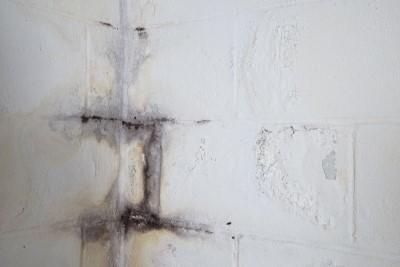
Water damage is one of the most common and expensive problems inspectors find. Start by looking at ceilings and upper walls. Brown or yellow stains, peeling paint, bubbling drywall, or patched areas can indicate roof leaks or plumbing issues. Even if the damage looks old, it may point to a recurring problem that was never fully resolved.
Basements require extra attention. Look closely at basement walls and floors, especially along exterior walls and corners. Discoloration, dark stains, white powdery residue, or uneven coloring on concrete floors often suggest water intrusion. A musty odor is another strong indicator of moisture problems, even if no active water is visible during the showing.
Foundation and Structural Warning Signs



Structural issues can be costly to repair, which is why inspectors focus heavily on foundations and framing. Examine foundation walls for cracks. Small hairline cracks can be normal, but wide cracks, horizontal cracks, or stair-step cracks in block foundations may indicate movement or settlement.
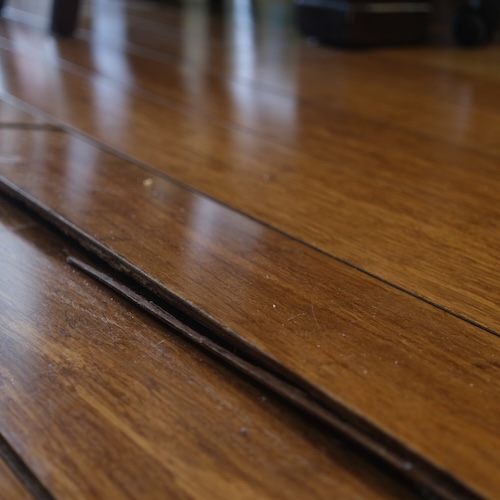
Inside the home, pay attention to doors and windows. If they stick, feel misaligned, or do not close properly, it could suggest structural shifting. Uneven or sloping floors are another red flag that may point to foundation or framing issues beneath the surface.
Roof, Gutters, and Exterior Clues
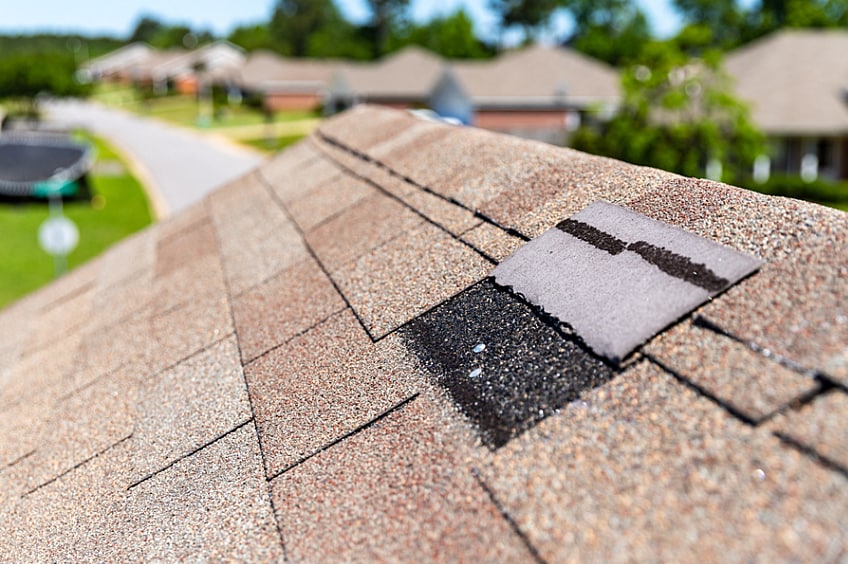

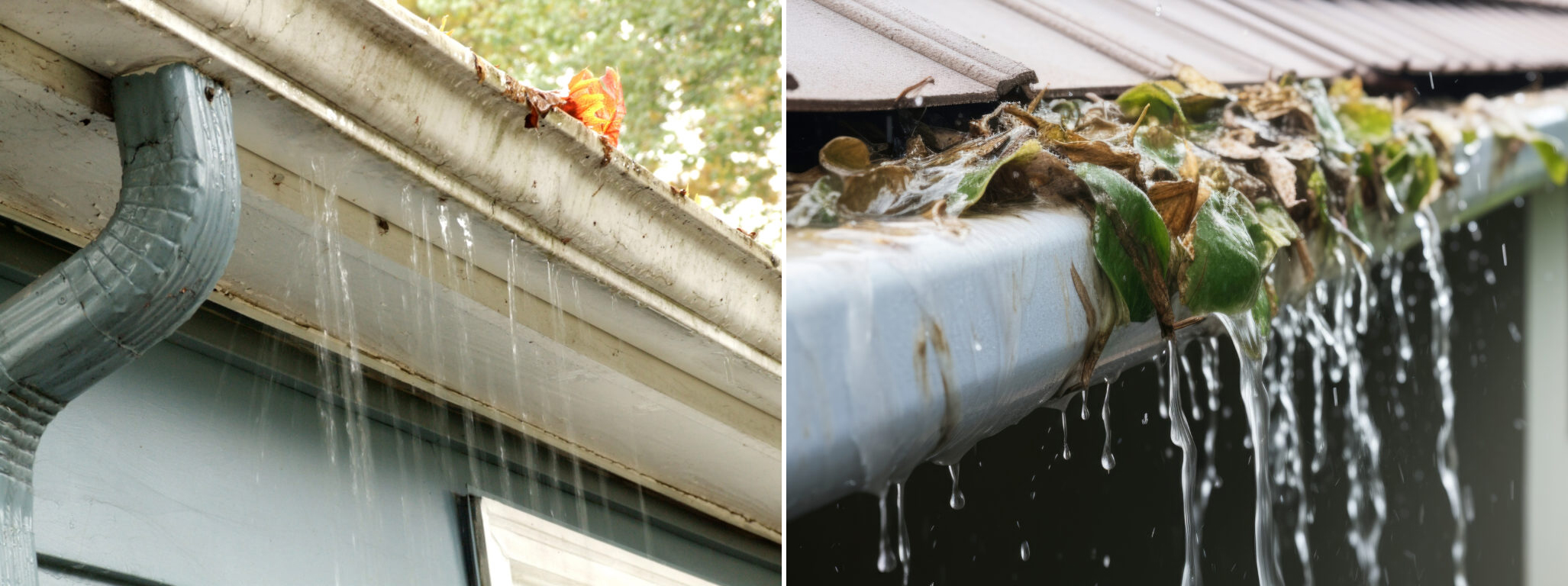
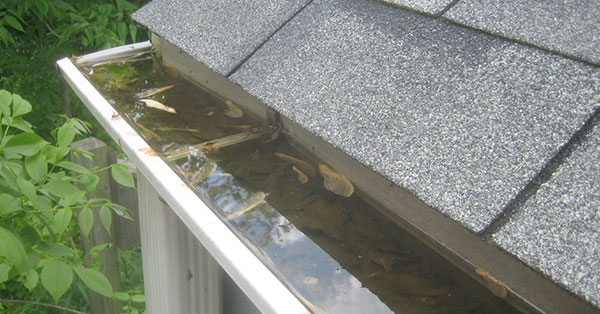
The roof protects the entire home, so its condition matters greatly. From the ground, look for missing, curling, or uneven shingles. A sagging roofline can signal structural problems or long-term water damage. Also check gutters and downspouts. Poor drainage can cause water to pool near the foundation, increasing the risk of basement leaks.
Exterior walls provide additional clues. Cracks, peeling paint, warped siding, or areas that appear recently patched may indicate moisture issues or deferred maintenance. These exterior signs often connect to interior problems.
Electrical, Plumbing, and Mechanical Systems
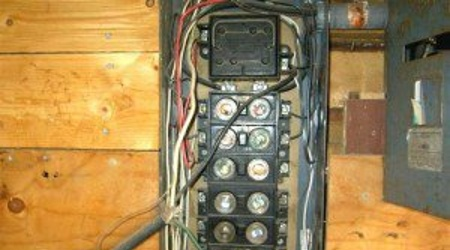


Home inspectors carefully evaluate systems that are expensive to replace. Even without specialized tools, you can still spot concerns. If accessible, look at the electrical panel. Older panels, crowded breakers, or messy wiring can indicate outdated or unsafe electrical systems.
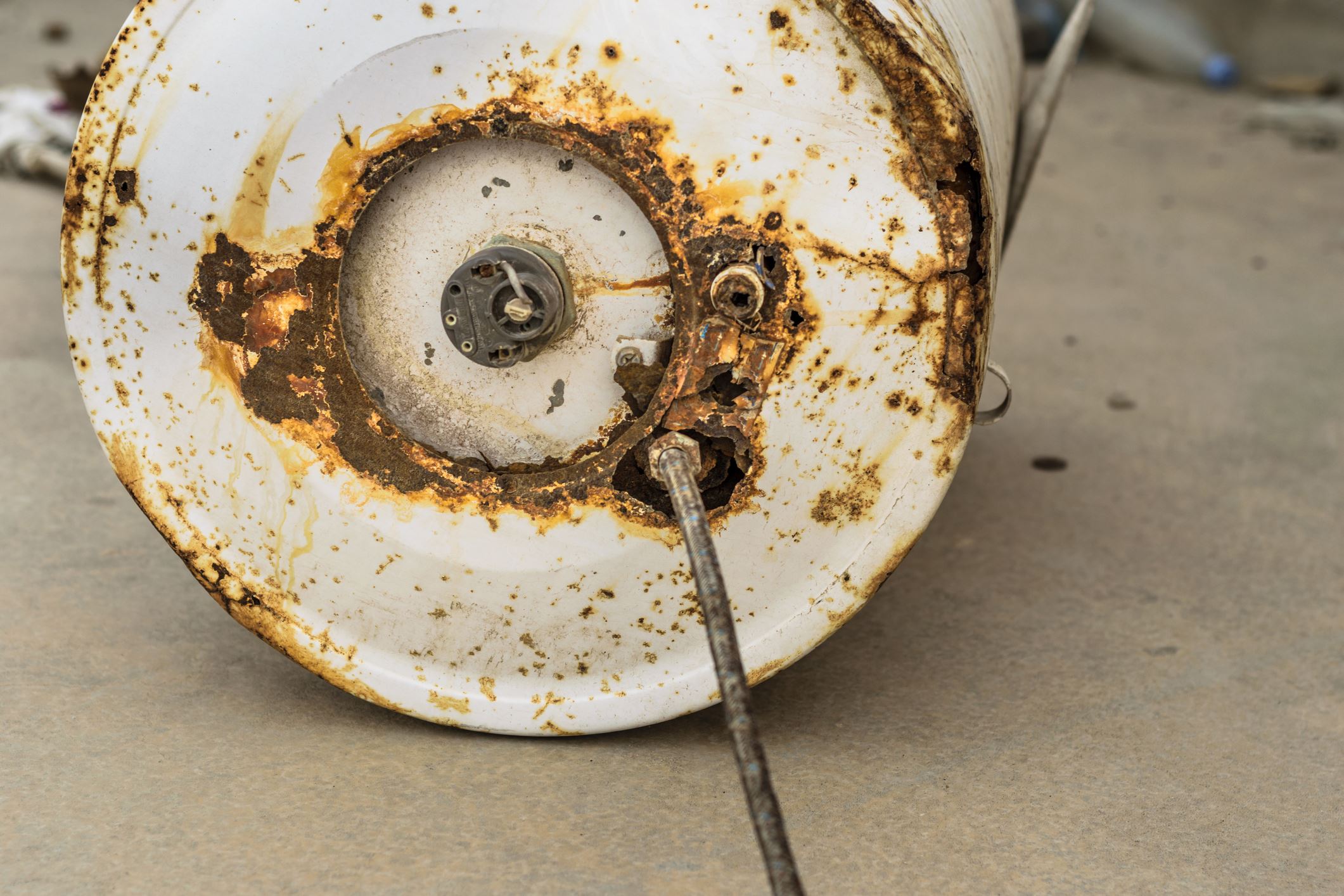
Check under sinks for water stains, corrosion, or temporary repairs. Low or inconsistent water pressure may point to aging plumbing. Take note of the age and condition of the water heater and HVAC system. Units near the end of their lifespan can mean major replacement costs soon after purchase.
Mold, Rot, and Ventilation Issues


Mold and rot often result from long-term moisture and poor ventilation. Look for dark spots on walls, ceilings, and around windows. Bathrooms, basements, and laundry areas are common problem zones. Excess condensation on windows can also signal ventilation or insulation problems.
Inspect wood elements such as window sills, door frames, decks, and porches. Soft, cracked, or crumbling wood may indicate rot caused by prolonged moisture exposure. Left untreated, this can affect both safety and structural integrity.
Balancing Speed With Smart Decision-Making
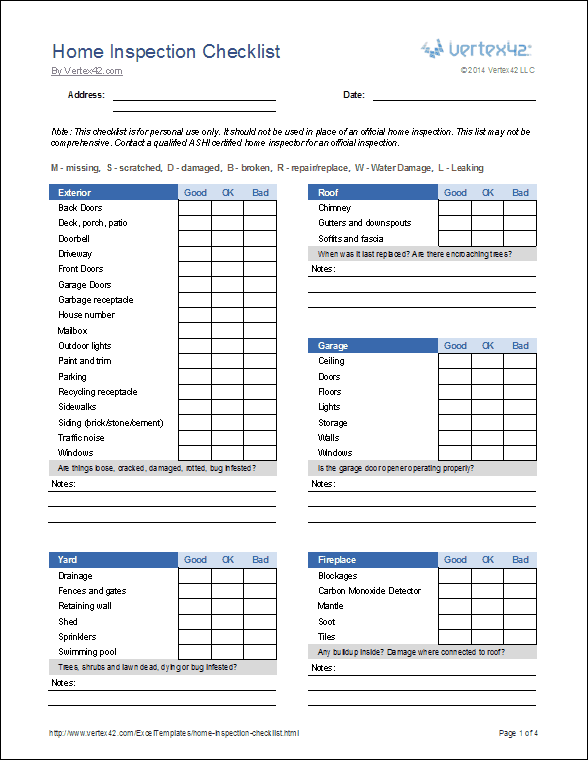


Waiving a home inspection can help your offer stand out, but it increases the importance of careful observation. Many costly issues begin with subtle signs, especially water damage and structural movement. Taking the time to look closely during showings can help you avoid major surprises after closing.
A home should be a long-term investment and a place of comfort. By understanding what home inspectors look for, you put yourself in a stronger position to make a confident and informed buying decision, even in a fast-moving market.
Ready to get started? Contact us at 617.480.6836 or visit our FAQ page to learn more.